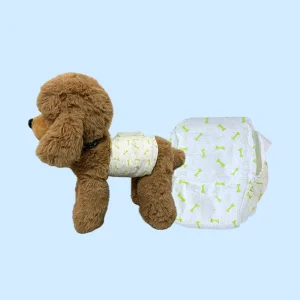
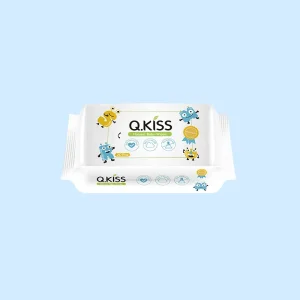
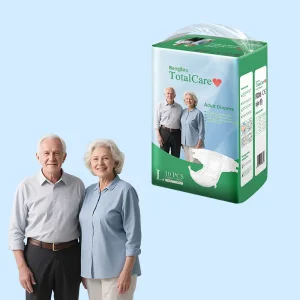
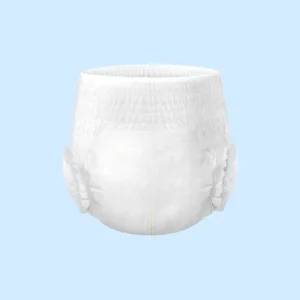
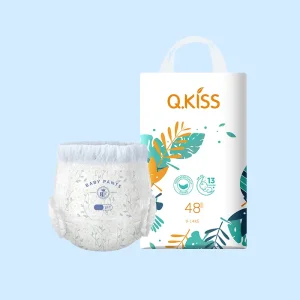
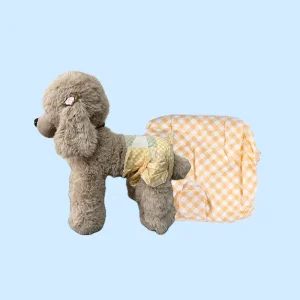
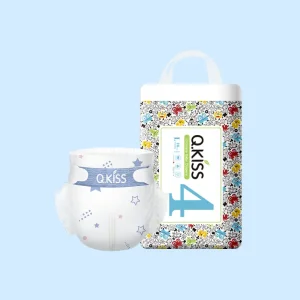
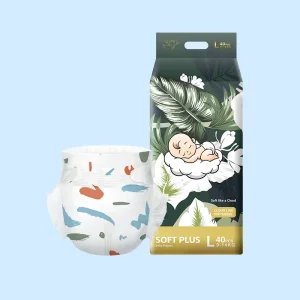
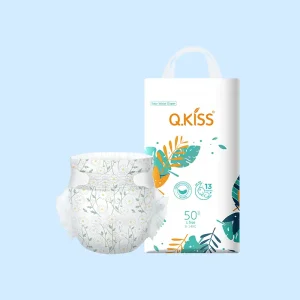
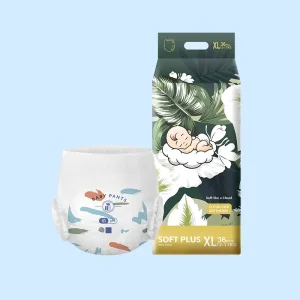
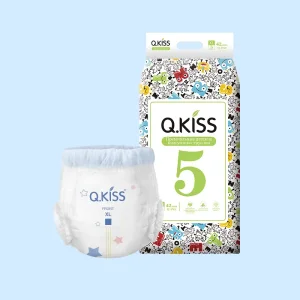
Explore our global export product portfolio including advanced baby, adult, and pet diapers, alongside medical-grade wet wipes designed for modern distribution networks.
Established since 2010, Guangdong Bangbao Personal Care Products Co., LTD. is a leading enterprise specialized in manufacturing baby diapers, baby pants, wet wipes, and a comprehensive variety of personal care products. We bridge the gap between high-end materials research and large-scale industrial capability, providing customized options to modern brands seeking reliable, scalable production.
Over the last decade, our total annual turnover has surpassed USD $35.8 million. We consistently aim to balance state-of-the-art product quality with strategic cost efficiencies. By executing lean manufacturing processes, optimizing raw material procurement, and ensuring consistent output quality, we continue to fulfill the demands of international retail brands, healthcare distributors, and specialized direct-to-consumer hygiene brands worldwide.


At Bangbao, we build long-term business partnerships with global brands by aligning on value-creation, innovation, and environmental sustainability. Our strategic vision is to become one of the premier hygiene groups across the Asia Pacific region, demonstrating that scalable industrial manufacturing can coexist with sustainable raw materials and responsible supply chain ethics.
Our design and corporate philosophy center on creating products that improve user health, comfort, and skin protection. Through constant iterations of structural design, SAP (Superabsorbent Polymer) placement, and breathable film technologies, we make the world a better, cleaner place. We guarantee a transparent procurement process, providing peace of mind for buyers managing highly demanding consumer markets.
The diaper manufacturing sector is a capital-intensive industry requiring close integration of material science, machinery development, and supply-chain logistics. Guangdong Province, especially the Foshan industrial zone, serves as the global epicentre for high-speed non-woven production. Sourcing from this hub provides unique benefits for global brands:
Foshan factories operate directly alongside major manufacturers of spunbond-meltblown-spunbond (SMS) non-wovens, high-retention SAP suppliers, and premium elastic waistband components. This close proximity ensures minimal transit costs and short lead times for incoming raw components.
By using fully servo-driven, high-speed automated diaper lines, Chinese factories maintain strict control over alignment, cut accuracy, and folding. This automation reduces human error, limits waste, and guarantees physical product uniformity.
Proximity to Shenzhen, Nansha, and Guangzhou ports enables efficient international freight routing. This streamlined logistics infrastructure ensures smooth customs clearance, flexible container consolidation, and competitive ocean transit rates.
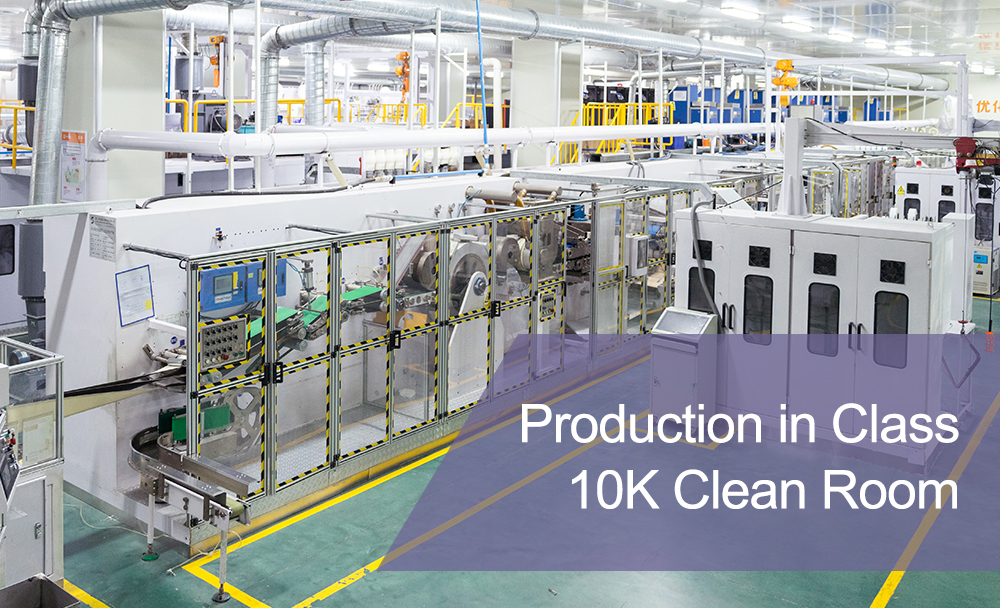
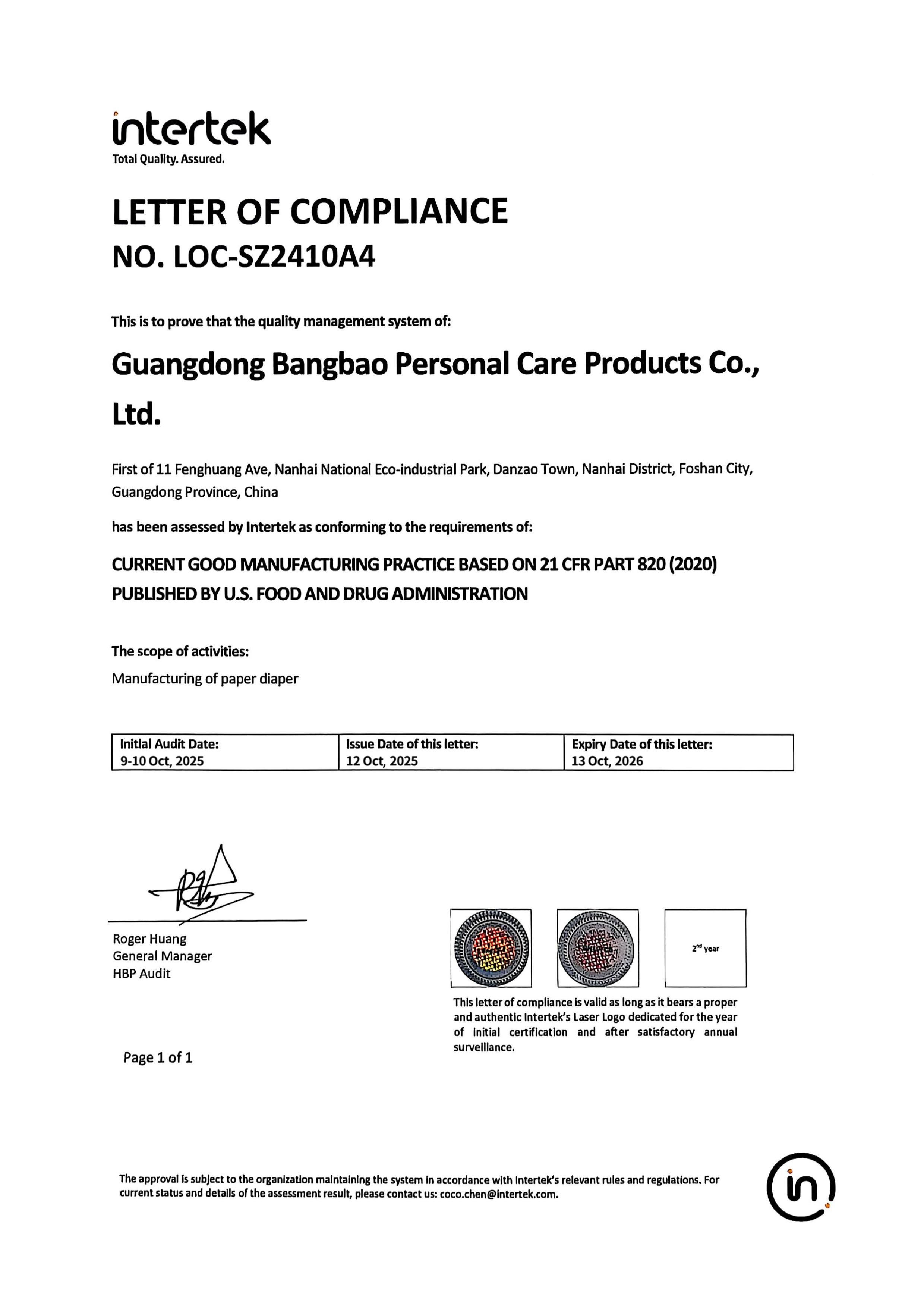
Located in Foshan, Guangdong, Bangbao owns a modern production base of 68,000m² designed to meet class 10K cleanroom standards, equipped with central air conditioning and positive-pressure clean air filtration. The facility is fully certified under FDA, CE, and ISO guidelines, ensuring compliance with international product safety standards.
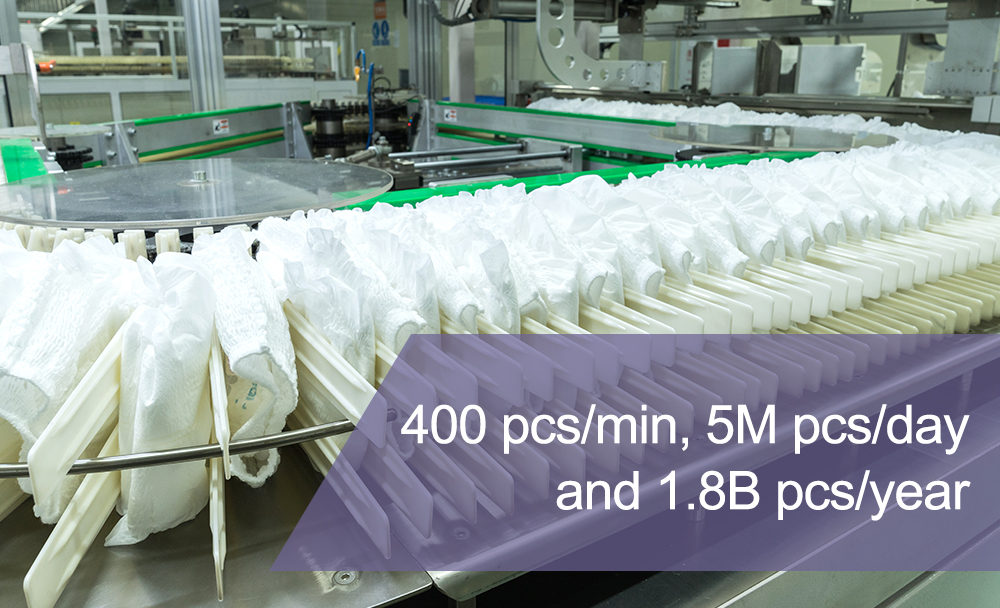
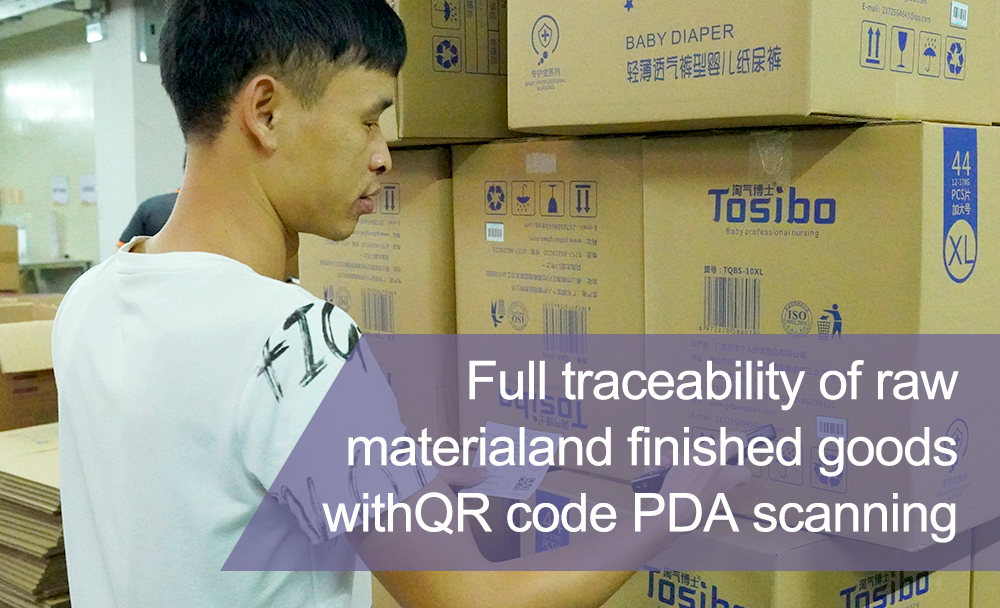
Bangbao operates 10 automatic high-speed production lines for baby diapers, pants, and pet diapers. Each line is integrated with high-resolution vision inspection cameras, automated packaging machines, and dual-frequency metal detectors. This automated setup enables the complete traceability of every diaper produced, preventing contamination and helping us reach an annual output capacity of over 1.8 billion units.
We believe that "Quality makes success. Attitude makes perfection." Our professional R&D team continuously refines raw material selection and diaper architecture, and our Quality Assurance experts inspect and verify every batch before shipment.
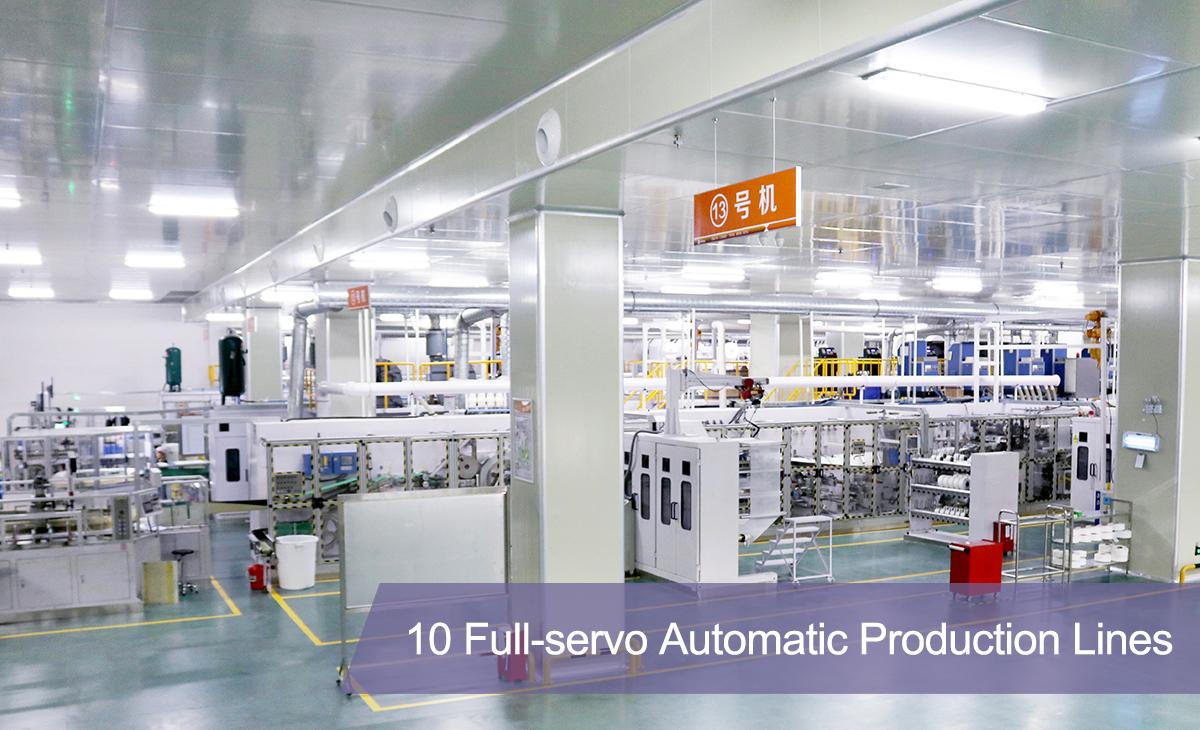
A visual overview of our warehouse logistics, roll-stock raw materials, cleanroom production lines, and high-speed automated packaging systems.

Modern diapers require precise engineering to ensure rapid absorption, dry surface layers, and leak protection. We formulate and design each layer with specific chemical and structural targets:
We blend high-retention polymer beads with high-grade coniferous fluff pulp. This structure locks moisture under pressure, preventing re-wetting and keeping the user's skin dry and healthy.
A sub-surface layer spreads liquid rapidly along the longitudinal axis of the diaper, utilizing the core's surface area to prevent pooling and leakage.
Dual-layered, hydrophobic non-woven cuffs with elastic spandex threads provide a secure seal against the thighs, blocking lateral leakage without causing skin irritation.
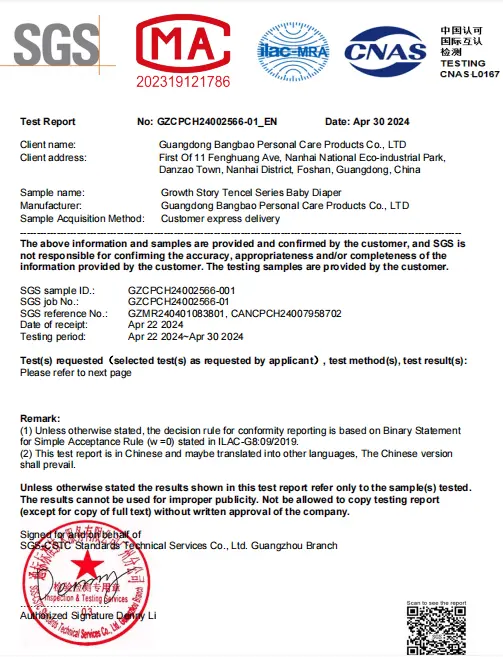
To access international markets, manufacturing facilities must pass rigorous regulatory audits. Our production sites comply with European, North American, and Asia-Pacific market requirements, supported by ISO quality systems, CE safety marking, and FDA registrations.
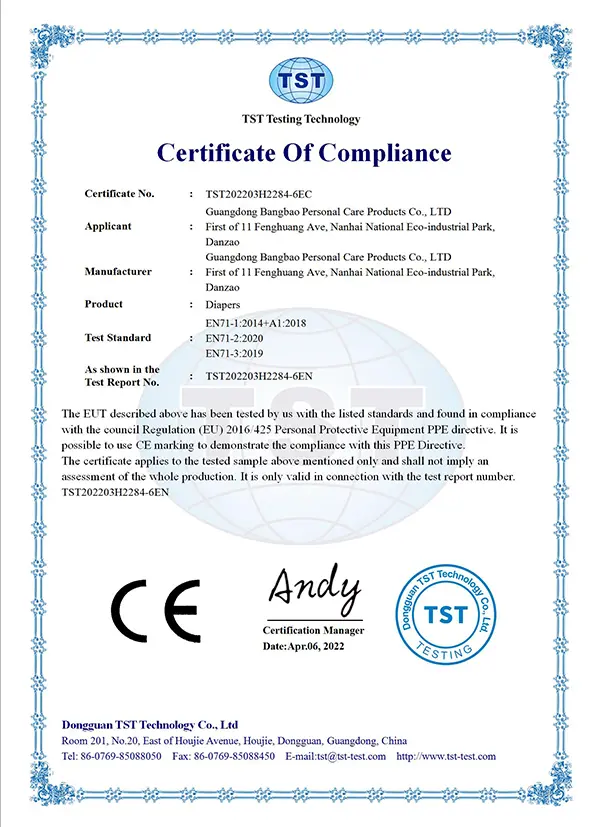
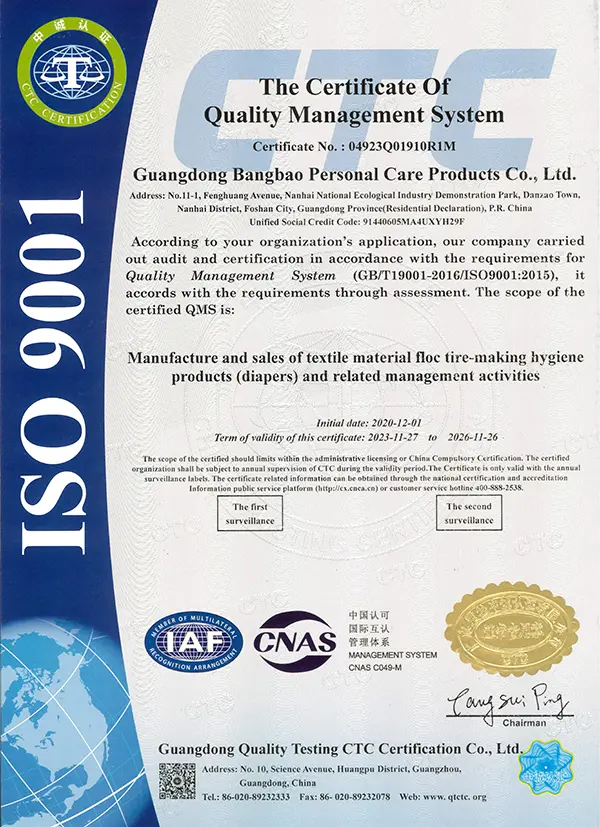
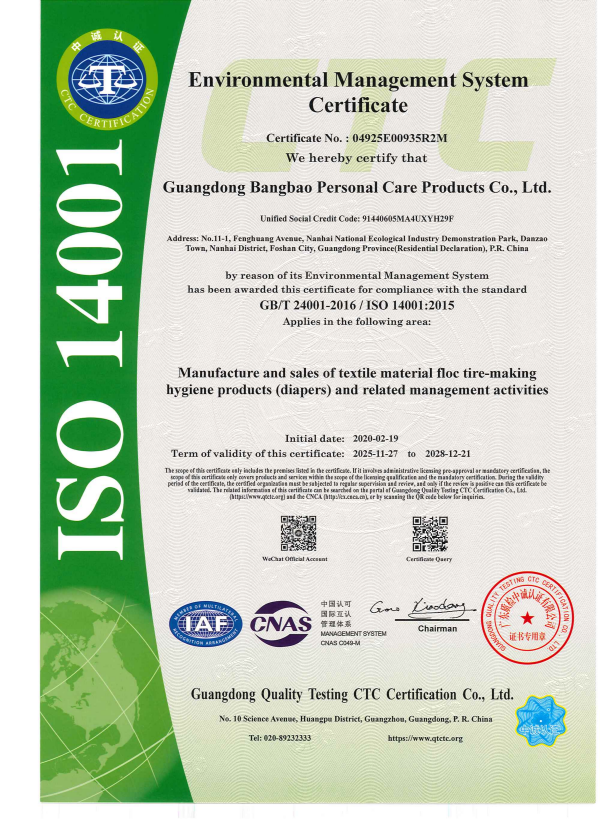
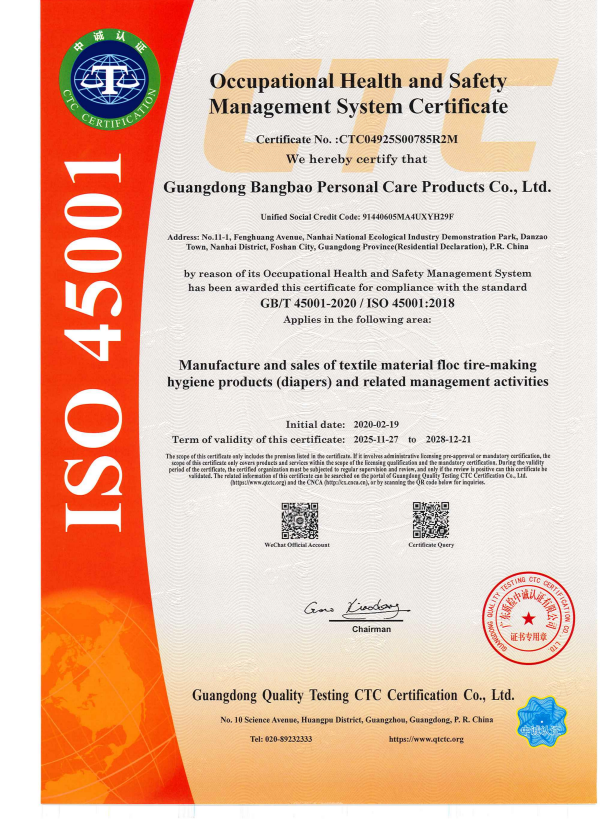
The global personal hygiene sector is evolving due to demographic changes, higher disposable incomes, and increasing environmental awareness. We track and respond to several key trends:
Dermatological health and planetary responsibility drive the need for biodegradable alternatives. Brands are replacing petrochemical topsheets and backsheets with bamboo, cornstarch PLA, and unbleached organic cotton, significantly reducing their plastic footprints.
Aging global demographics are driving demand for adult pull-ups and protective underwear. These products require slim profiles, active odor-neutralizing chemicals, and quiet, rustle-free backing films that preserve user dignity.
Pet humanization has accelerated the market for male wraps, female dog diapers, and puppy training pads. These designs feature tail holes, adjustable hook-and-loop tabs, and highly concentrated absorption zones tailored to canine and feline anatomy.
Global sourcing requires careful product localization. Environmental climates, consumer preferences, and physical builds differ across regions, requiring adjustments to raw material blends:
Sourcing baby diapers and personal hygiene products at scale requires evaluating several key operational criteria to prevent supply disruptions and ensure product safety:
Ensure the manufacturer uses standardized testing protocols (like EDANA/INDA methods) to measure absorption capacity, fluid distribution speed, and rewet values under load.
Verify that components like SAP, fluff pulp, hot-melt adhesives, and elastic tapes are sourced from certified global suppliers (such as Sumitomo, BASF, and Henkel) to ensure batch consistency.
Ensure production lines use high-speed automated camera inspection systems. These systems detect and reject diapers with structural defects, misplaced tapes, or dust contaminants in real-time.
Work with logistics teams to optimize compression ratios. Proper vacuum packaging increases container loading capacity by up to 25%, helping reduce per-unit shipping costs.
Get answers to technical questions about materials, testing, private-label capabilities, and compliance for baby and adult diapers.
The optimal ratio depends on the diaper's target performance, thickness, and cost. Premium baby diapers often use a 50:50 or 60:40 blend of Superabsorbent Polymer (SAP) and coniferous fluff pulp. For ultra-thin diapers, manufacturers use SAP-heavy or composite-core structures with up to 90% SAP, held in place by non-woven carrier tissue. While fluff pulp provides rapid initial liquid intake and distribution, SAP locks the liquid away permanently, preventing rewetting under pressure.
For the North American market, adult and baby diapers are regulated as medical devices or general consumer goods. FDA registration ensures the factory follows Good Manufacturing Practices (GMP) and uses safe, biocompatible materials. In the European Union, CE marking demonstrates compliance with EU safety, health, and environmental requirements (specifically under Personal Protective Equipment or Medical Device regulations for adult incontinence products), allowing customs clearance across European ports.
Our high-speed automated production lines run at speeds of 600 to 1000 pieces per minute. We install high-resolution vision systems with CCD cameras along the line to inspect component alignment, tape placement, and shape. Right before packaging, the products pass through dual-frequency metal detectors. These systems identify and automatically reject any item containing microscopic metal shavings from the cutting knives or other foreign particles.
Private-label MOQs depend on the product type and raw materials. For custom baby diapers or pull-up pants with custom backsheet designs, the standard MOQ is one 40-foot High Cube (40HC) container per size (approximately 150,000 to 250,000 pieces, depending on the physical size). This MOQ matches the run length of the printed poly bag packaging and the roll changes required for printed backsheet films.
The topsheet makes direct contact with the user's skin. We use hydrophilic, hot-air-through non-wovens or spunbond polypropylene with micro-embossing. This design reduces skin contact area, lets liquid pass through quickly, and keeps moisture away from the skin. Premium lines use organic cotton or bamboo fibers to minimize friction and prevent contact dermatitis, which is especially important for sensitive baby skin or bedridden adult users.
While the core absorption technology remains similar, dog diapers feature distinct anatomical modifications. They include a pre-cut, elasticized tail hole to prevent leakage around the tail base. They also feature adjustable, repositionable hook-and-loop tabs that stick securely even when coming into contact with pet fur. Male wraps are shaped differently, concentrating the absorbent core in a central band that covers the male dog's midsection.
The wetness indicator is a visual line printed on the inside of the backsheet. It is made of hot-melt adhesive that changes color (typically from yellow to blue) when exposed to moisture. The adhesive contains pH-sensitive dyes that react to the water content in urine, letting parents or caregivers know it is time to change the diaper without needing to open it.
Because diapers are lightweight but bulky, shipping costs can be high. We use hydraulic packaging presses to compress the finished diapers into vacuum-sealed, compact poly packs. This compression reduces the physical volume of the cartons, allowing us to load more pieces into a 40HC container. For example, compression techniques can increase the total pack count per container by 20% to 30%, lowering ocean freight costs per unit.
Find the right product specifications for your brand, including baby training pants, adult protective underwear, and specialty wet wipes.
 Bangbao