Explore our certified catalog designed for enterprise buyers, medical institutions, and retail private label brands.
Navigating the complex landscape of non-woven hygienic products in the European Economic Area (EEA).
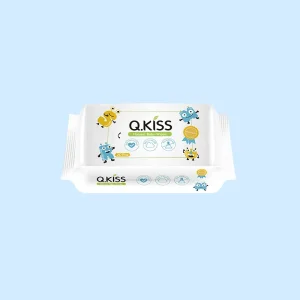
B2B Sourcing Insights: In the global personal care and industrial hygiene sectors, securing CE Certified Wet Wipes is not merely a legal checkbox—it is a marker of premium manufacturing quality, chemical safety, and structural integrity. For multinational procurement teams, factories, and retail groups, importing hygiene products into regulated zones requires strict adherence to EU directive frameworks, including the Cosmetic Regulation (EC) No 1223/2009 or the Medical Devices Regulation (EU) 2017/745 (MDR) depending on the clinical claims made by the product.
When high-volume manufacturing entities buy sanitizing, cosmetic, or industrial wet wipes, they face multifaceted challenges: ensuring raw fiber bio-compatibility, avoiding toxic microbial preservatives, and guaranteeing continuous tensile strength during high-speed automated dispensing. This whitepaper analyzes these elements, illustrating how high-efficiency factories align operations with the highest standards of international regulatory frameworks.
Analyzing high-volume procurement trends across healthcare, aviation, retail, and manufacturing sectors.
Hospitals, diagnostic labs, and elderly care facilities demand medical-grade disinfectant wet wipes verified under EN 14476 (virucidal) and EN 1276 (bactericidal) standards. These products must feature non-sensitizing chemical agents and zero VOC emissions to protect patient health.
Large corporate offices, airports, and retail facilities implement bulk sanitation schemes. In these high-traffic settings, continuous skin compatibility (dermatologically tested formulas) combined with robust dispensers prevents cross-contamination on surfaces and touchpoints.
Automotive assembly lines, electronic manufacturing units, and precision machine workshops require heavy-duty lint-free wipes. These wipes need high chemical resistance to solvents, oils, and grease, as well as high tensile strength (cross-laid non-woven substrate) to prevent tearing during use.
Understanding the engineering standards behind high-performance B2B wet wipes.
The foundation of any high-quality wipe lies in its raw fabric construction. High-capacity operations utilize Spunlace Non-Woven Technology, blending varying ratios of polyester (PET) for strength and viscose (rayon) or wood pulp for high liquid absorbency. Premium eco-conscious options utilize 100% biodegradable bamboo fibers or Lyocell, providing high tear resistance and minimizing environmental impact.
Water is the primary ingredient in wet wipe formulations. Using standard filtered tap water poses significant risks of bacterial contamination and chemical imbalances. Leading factories employ Electrodeionization (EDI) systems, filtering water through multi-media filters, activated carbon, double-pass reverse osmosis (RO), and continuous deionization. This ensures water conductivity stays below 1.0 µS/cm, yielding a pure, sterile liquid base for the solution.
To comply with EU Cosmetic Regulation (EC) No 1223/2009, formulas must exclude toxic preservatives like parabens, methylisothiazolinone (MIT), and formaldehyde donors. Modern formulations focus on skin-friendly alternatives like organic fruit extracts, tocopherol (Vitamin E), aloe vera, and low-concentration phenoxyethanol to guarantee long shelf lives without triggering allergic dermatitis.
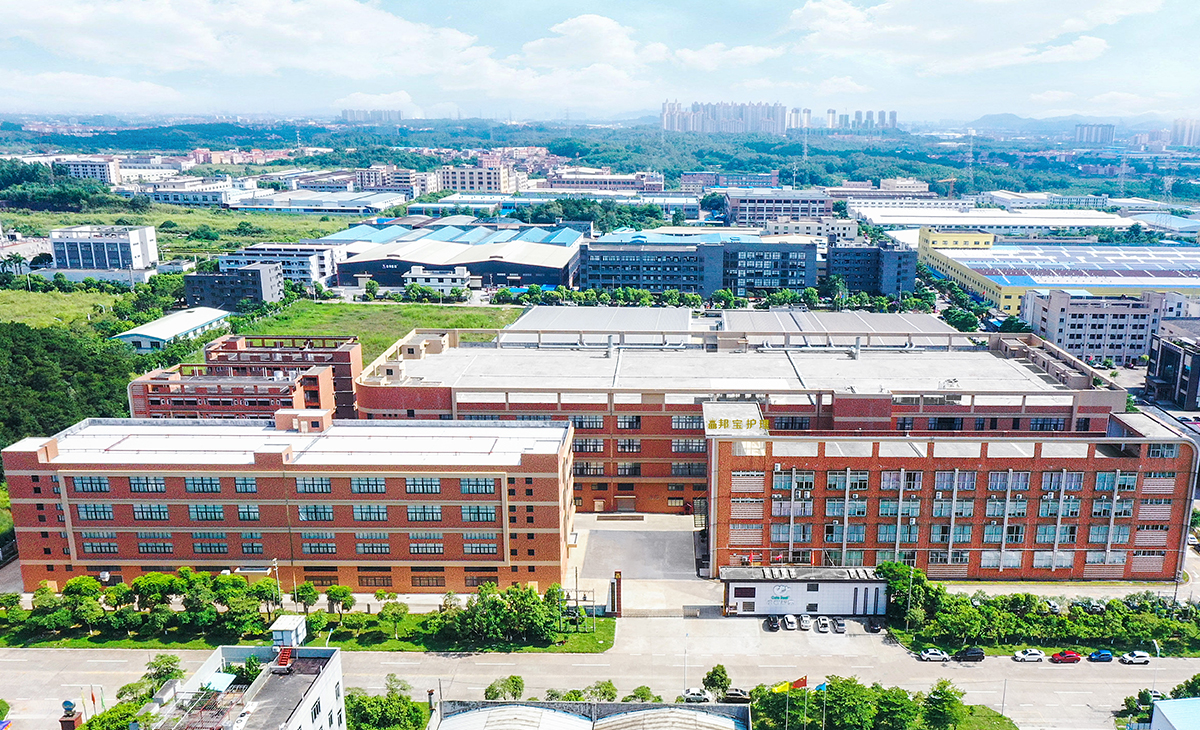
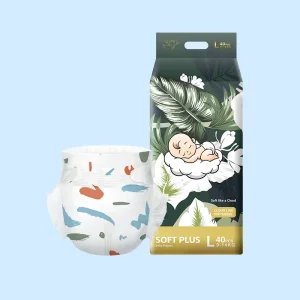
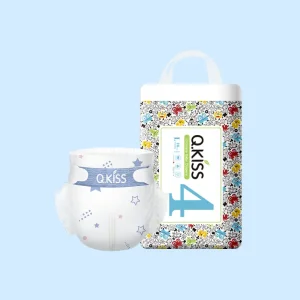
Established since 2010, Guangdong Bangbao personal care products Co., LTD. is a leading enterprise specialized in manufacturing baby diaper, baby pant, wet wipe and a variety of personal care products.
As of today, our total annual turnover is more than USD $35.8 million. We aim to provide personal care products with the best balance between quality and price continuously, to all of our customers around the globe.
Guangdong Bangbao is structured to manage extensive global distributions. Our focus on operational excellence enables us to support global brands, clinical distributors, and national supermarket chains with custom OEM and ODM packages designed for targeted consumer segments.
Bangbao ensures a successful business collaboration with our global business partners, continuous to provide personal care products with the best value for money to all of our customers.
Our goal is becoming one of the biggest hygiene groups in Asia Pacific. And to make the world a better place with excellent personal care products from Bangbao.
We believe in building sustainable manufacturing systems, utilizing recyclable packaging materials, and sourcing FSC-certified fibers. By integrating continuous improvement (Kaizen principles) across our operational segments, we deliver consistent quality with zero-waste targets.

A deep dive into our manufacturing capacity, quality checkpoints, and technological systems.
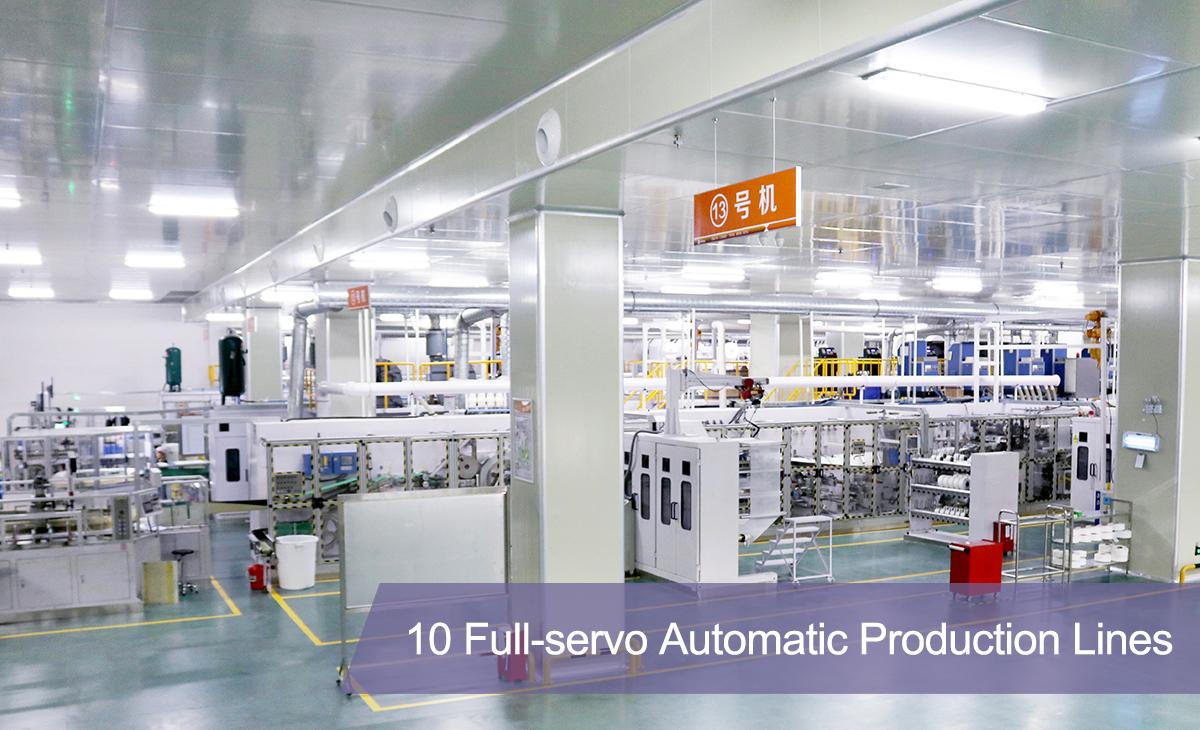
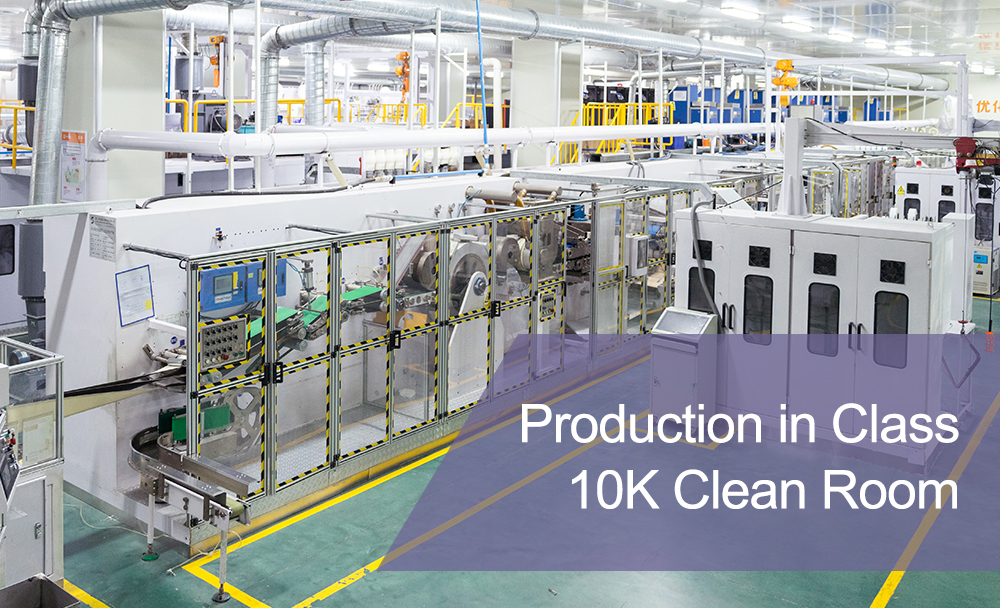
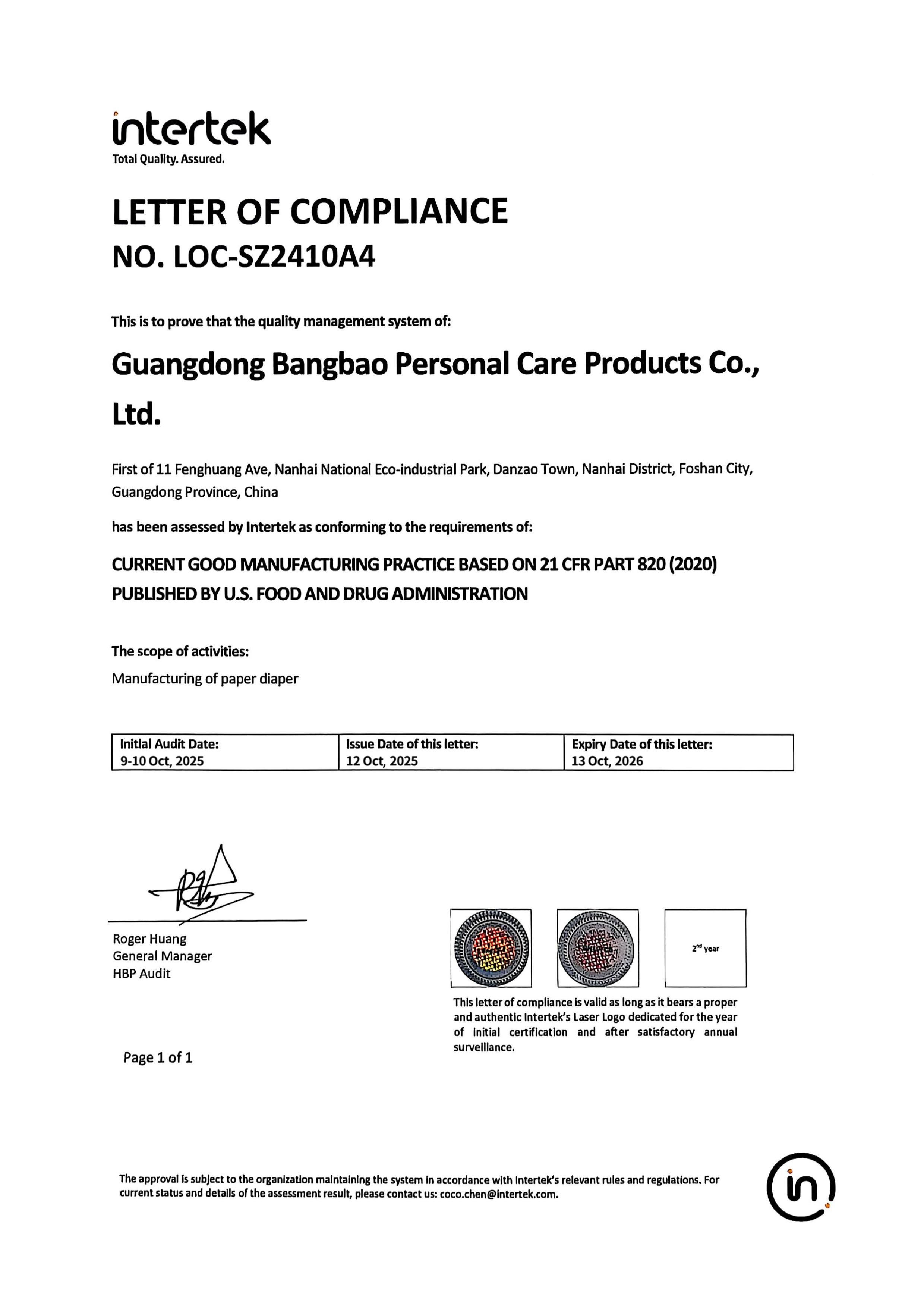
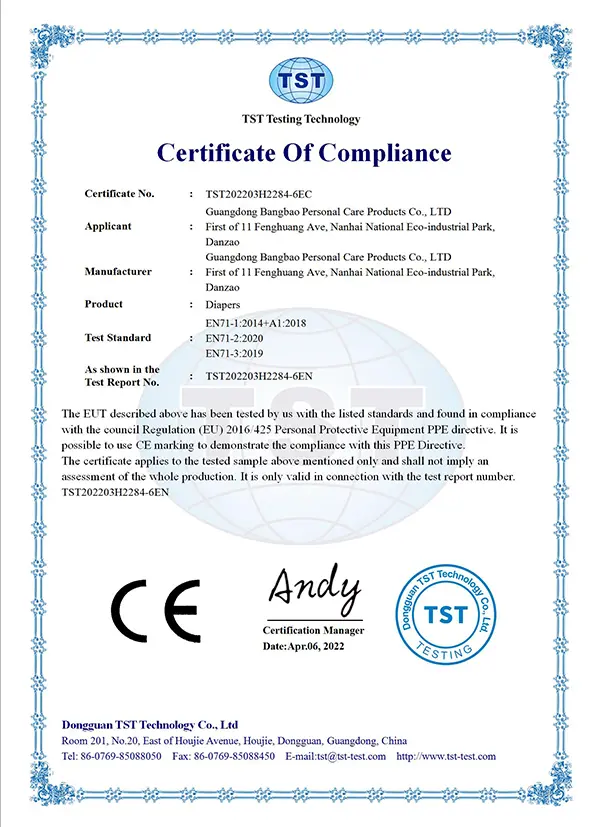
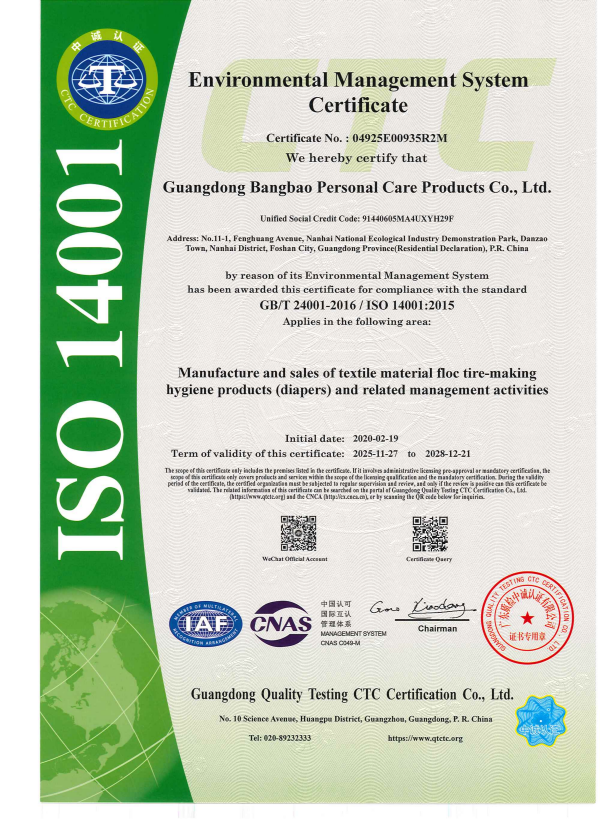
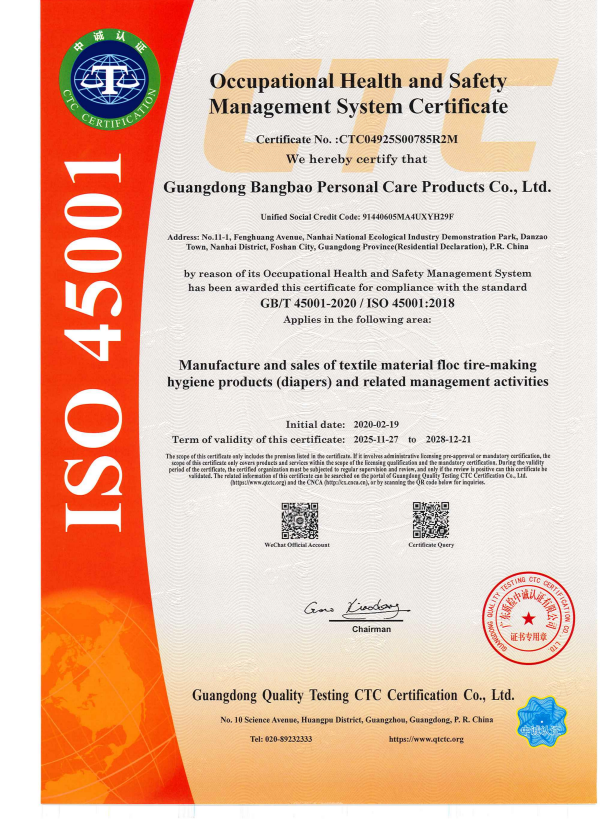
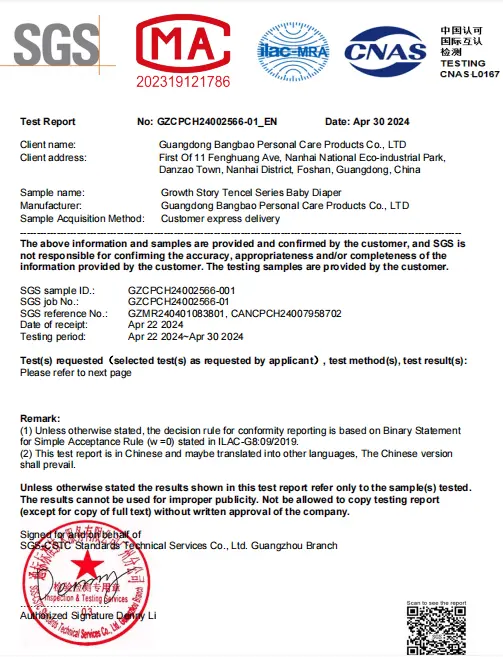
Located in Foshan Guangdong, Bangbao owns a production base of 68,000m² in class 10K clean room classification with central AC support, certified by FDA, CE and ISO.
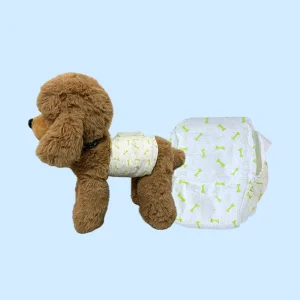
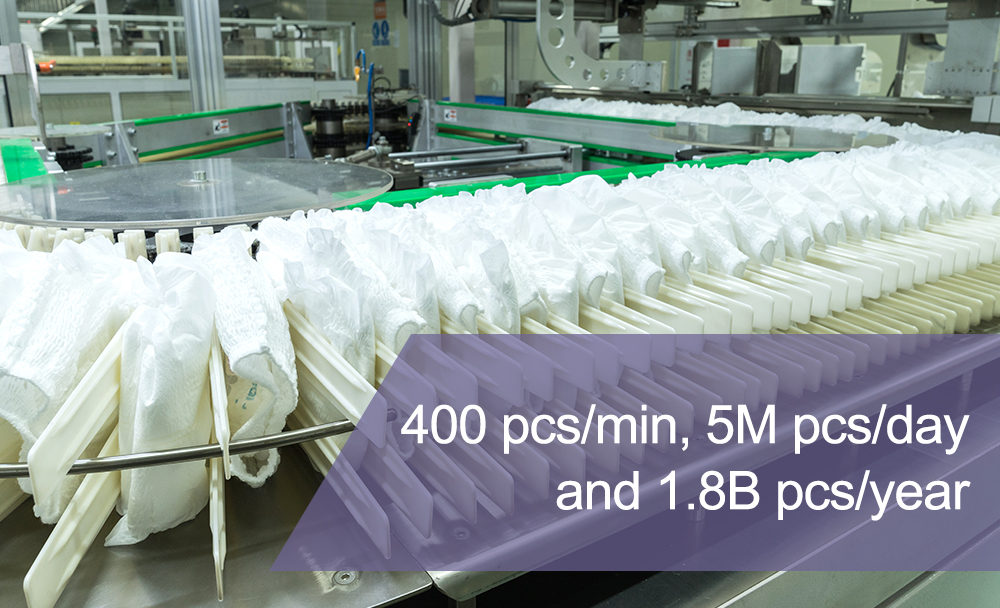
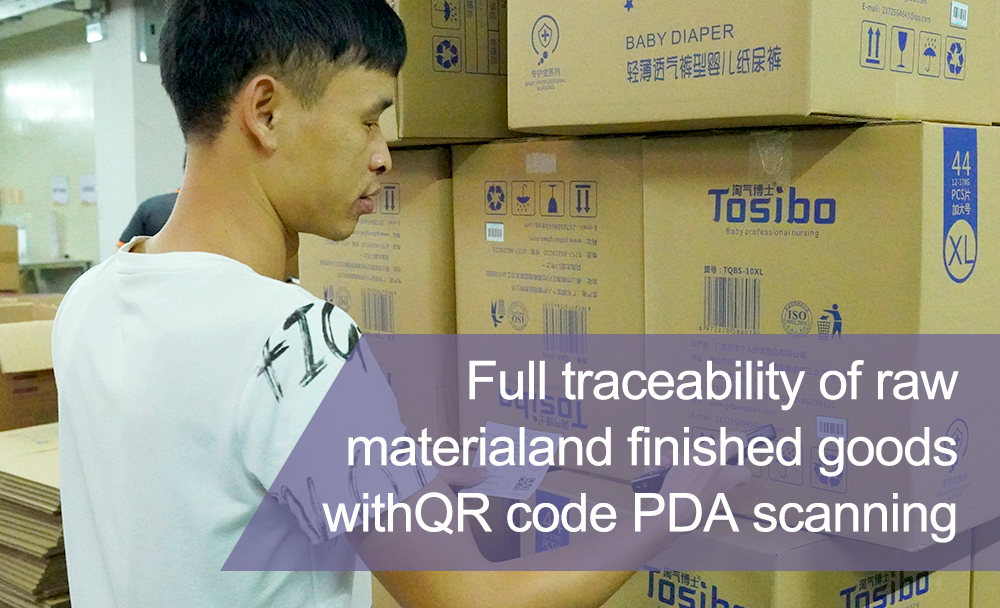
Bangbao equips 10 total automatic high speed baby diaper & pant and pet diaper production lines, with the installation of high speed camera, automatic packing machine and metal detector, which assures each piece of diaper/pant we produced is fully traceable, and makes our annual production capacity over 1.8 billion pieces.
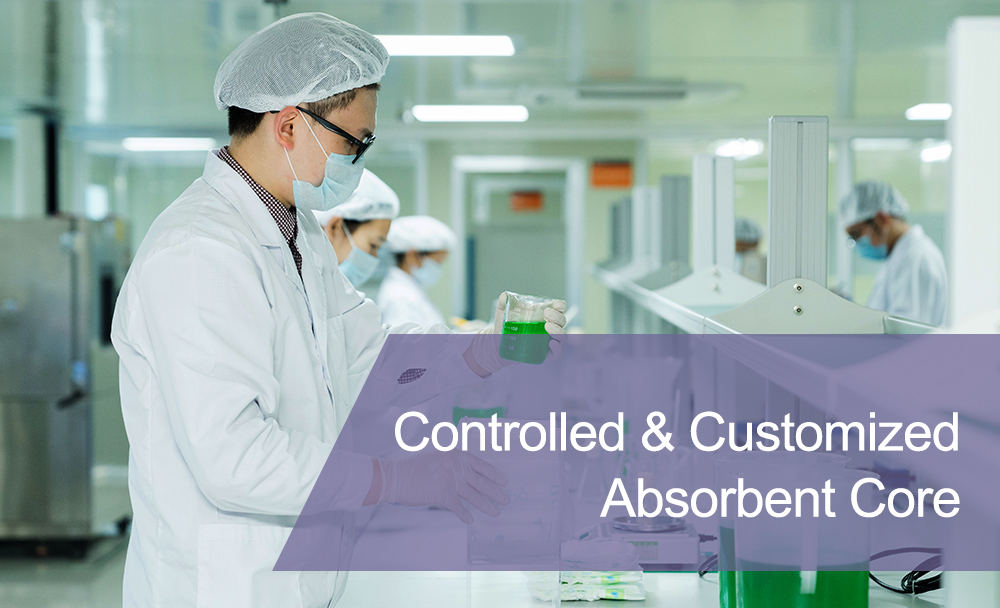
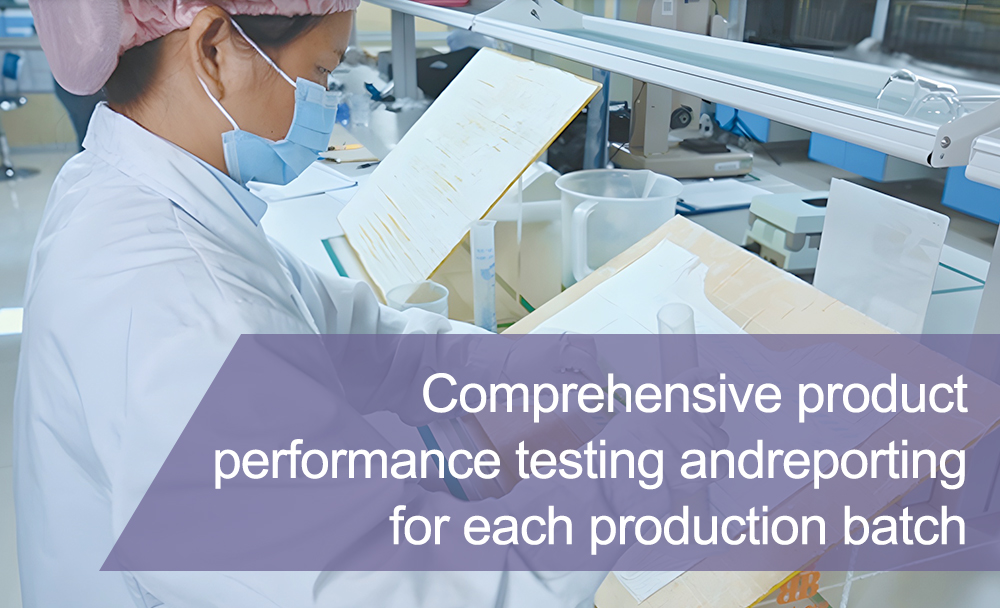
We insists on "Quality makes success. Attitude makes perfection." Bangbao's professional R&D team dedicate in improving and innovating our personal care products in design of structure and material continuously. And our experts in Quality Assurance that every product from Bangbao is manufactured with excellent quality.
Securing compliance for effortless clearance across international borders.
For wet wipes entering the EU, manufacturers must confirm compliance with the Cosmetic Regulation (EC) 1223/2009. This process requires a Safety Assessor to compile a Product Information File (PIF) and carry out a Cosmetic Product Safety Report (CPSR). In clinical sanitizing scenarios, wipes must comply with Directive 93/42/EEC or the MDR (EU) 2017/745 to ensure their microbiological safety and chemical compliance.
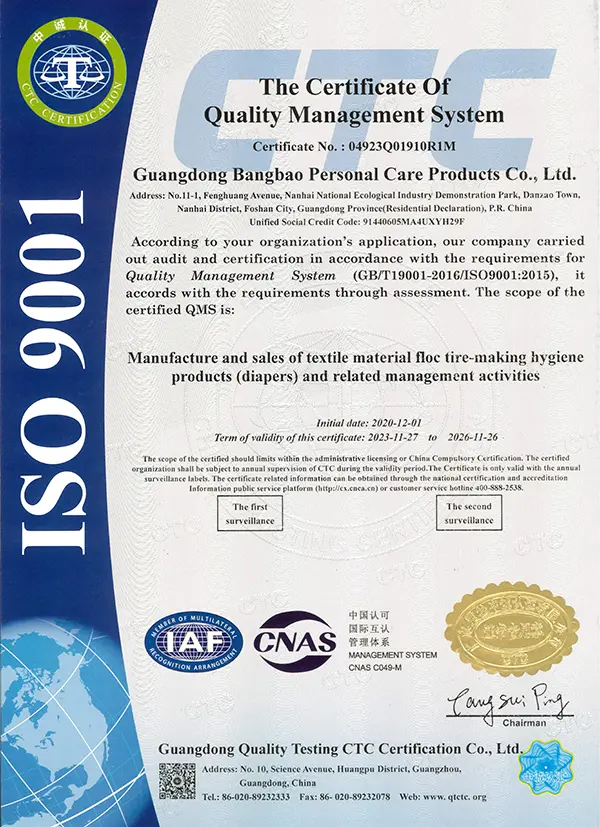
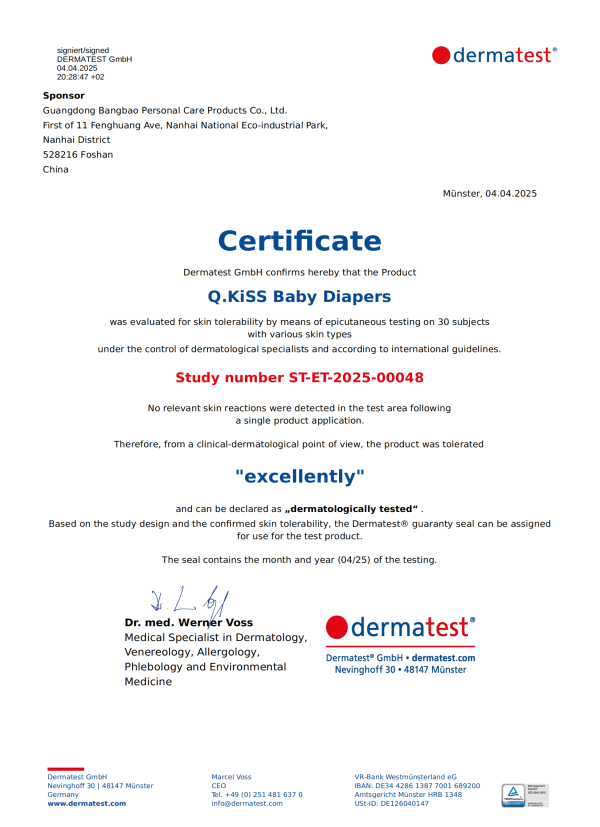
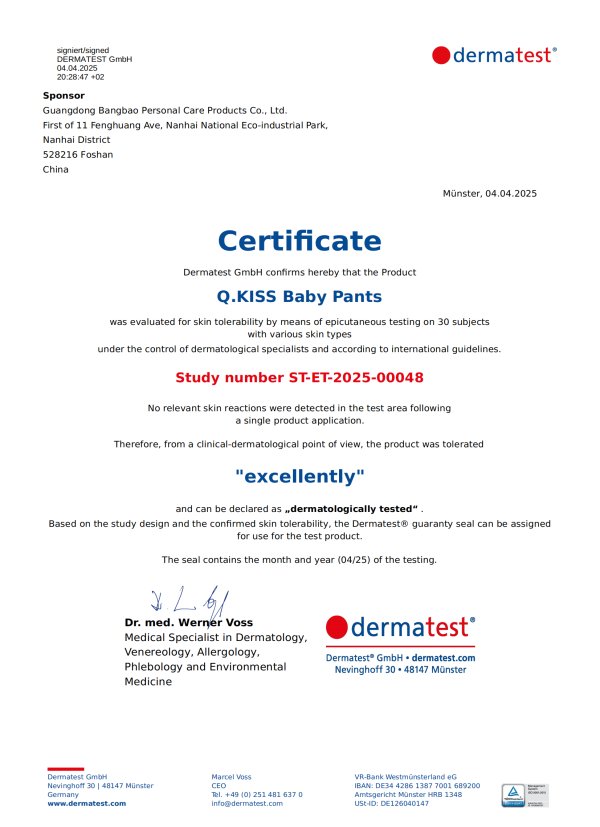
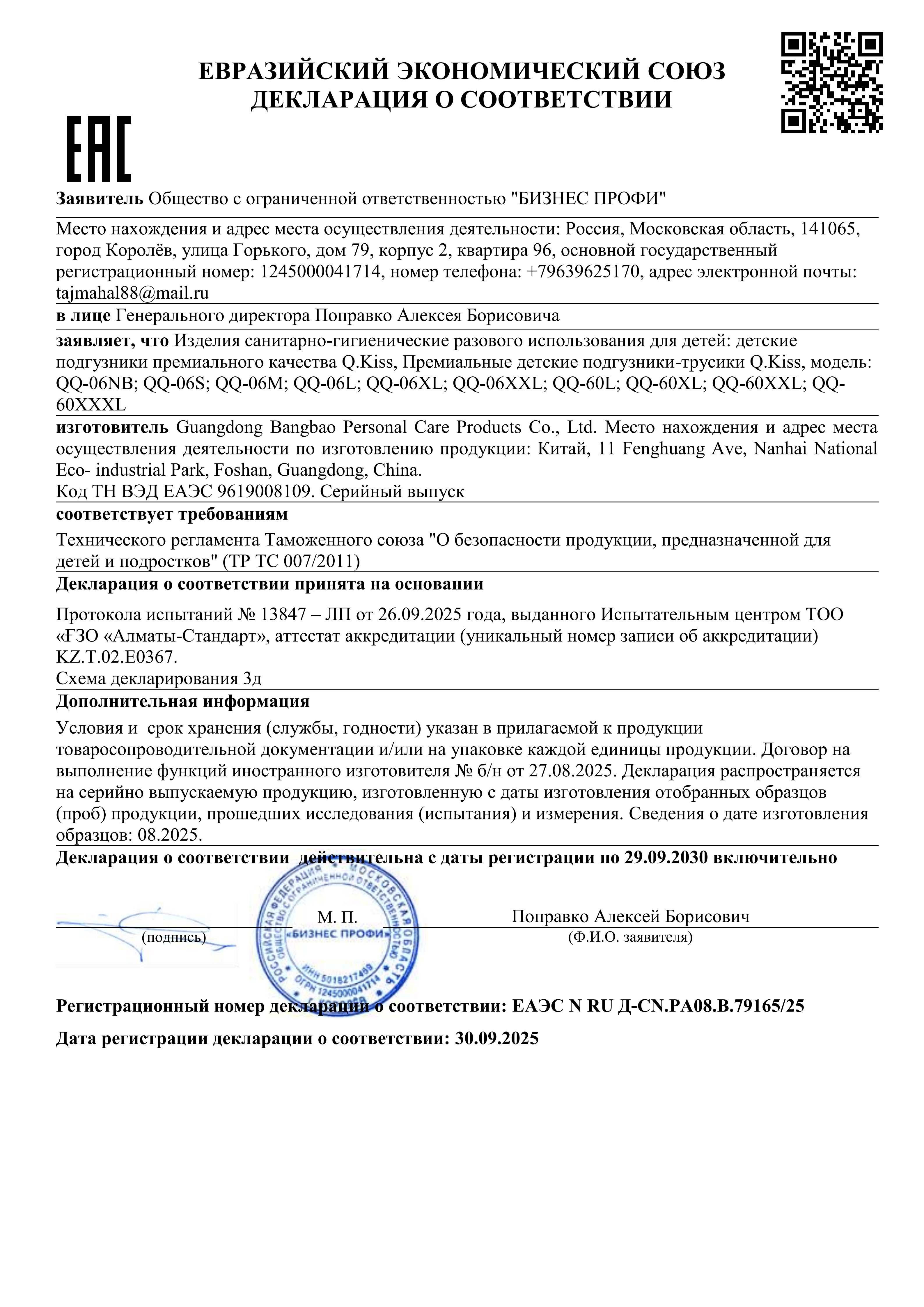
Our facilities are governed by ISO 9001:2015 (Quality Management Systems) and ISO 22716:2007 (Cosmetics Good Manufacturing Practices - GMP). This structure ensures that from raw materials storage to the final packaging seal, every step is traceably logged, reducing contamination risks in Class 10K environments.
How the next decade of material sciences and supply chain solutions will transform the wet wipes industry.
Due to EU bans on single-use plastics, B2B procurement is shifting toward spunlace materials made from wood pulp, viscose, and bamboo fibers. These materials degrade within 45 days in industrial compost conditions, reducing plastic tax burdens for European importers.
Developing wipe formulas that react to surface pathogens. Using non-toxic color indicators, these wipes change color when they encounter specific viral or bacterial loads on surfaces, providing visual proof of sanitization for medical and clinical environments.
Upgrading packaging facilities to use mono-material laminates that are fully recyclable. Integrating automated packaging machines reduces cleanroom labor costs by 40% and eliminates non-recyclable scrap film.
Expert technical answers to streamline regulatory approvals, customized formulations, and shipping logistics.
CE Certification indicates that the wet wipes comply with EU health, safety, and environmental protection standards. This validation means the chemical ingredients are verified under the Cosmetic Regulation (EC) 1223/2009 or the Medical Device Regulation (EU) 2017/745, which helps prevent product detentions at European ports.
Yes. Our OEM/ODM capabilities allow customization of fabric weight from 35 GSM to 100 GSM. The formulation can also be tailored to include specific active ingredients, natural extracts, or alcohol-free disinfectants to meet the demands of your target market.
Our production operates in Class 10K cleanrooms supported by central AC filtration systems. Online inspection cameras check for physical impurities, metal detectors identify micro-contaminants, and every production run undergoes microbiological testing before shipping.
For new OEM custom orders, the standard lead time is 25 to 30 days. This timeline accounts for packaging design sign-off, film printing cylinders preparation, and initial microbiological compatibility testing. Repeat orders can be completed in 15 to 20 days.
Reliable logistics, certified operations, and optimized packaging for international shipping.
 Bangbao