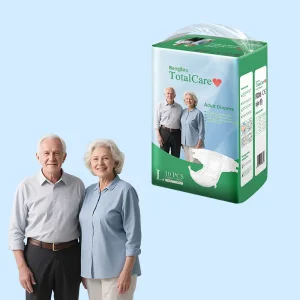
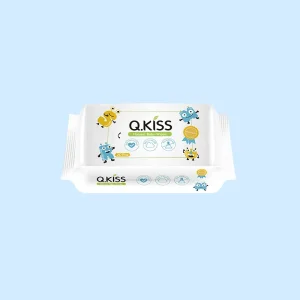
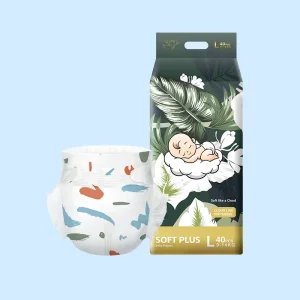
In the contemporary B2B health and hygiene ecosystem, sourcing wet wipes is no longer merely a transactional purchase based on price. The modern consumer market, clinical sectors, and industrial entities demand rigorous certification, reliable material safety, and ecological sustainability. As a certified leader, Guangdong Bangbao Personal Care Products Co., LTD. has engineered a standard of high-efficiency production within Class 10K cleanroom facilities, aligning clean-science technology with high-volume industrial capability.
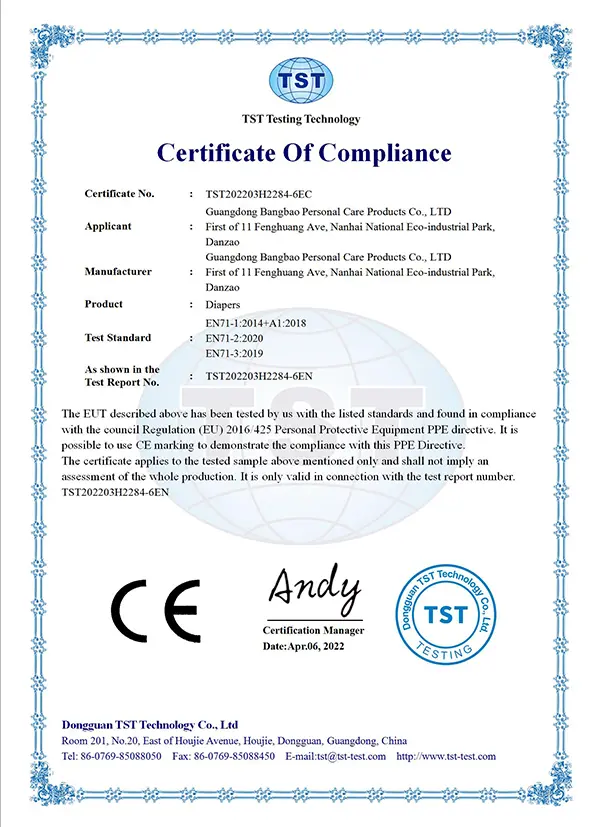
CE Certification serves as a fundamental benchmark for supply chain integration in the European Economic Area (EEA) and global markets. This certification guarantees that personal care materials, chemical compounds, preservation metrics, and sterilization protocols adhere strictly to high safety, health, and environmental protection standards. Understanding the complexities of CE requirements, raw material sourcing, and advanced automation platforms gives procurement officers a strategic advantage when choosing manufacturing partners.

The global wet wipes market is undergoing structural shifts driven by regulatory stringency, sustainable raw material innovations, and shifting consumer preferences. B2B buyers must navigate these emerging realities to future-proof their supply chains and meet regional regulatory mandates.
The European Single-Use Plastics Directive (SUPD) has accelerated the replacement of polyester (PET) and polypropylene (PP) fibers in non-wovens with biodegradable alternatives like viscose, lyocell, wood pulp, and bamboo fibers. Modern factories must maintain advanced spunlace lines capable of handling diverse fibers while retaining tensile strength and absorption parameters.
Healthcare facilities require chemical formulation transparency. Disinfectant wipes saturated with quaternary ammonium compounds, isopropyl alcohol, or hydrogen peroxide must meet precise biocide efficacy tests (e.g., EN 1276, EN 13727) while maintaining safety profiles for human tissue and sensitive electronic equipment.
From infant care to medical-grade adult skin wipes, formulating lotions with skin-compatible pH balances (5.5) and botanical extracts is essential. Modern R&D divisions isolate synthetic chemical preservatives, substituting them with clean-label, hypoallergenic preserving systems that prevent bacterial growth without irritating sensitive skin.
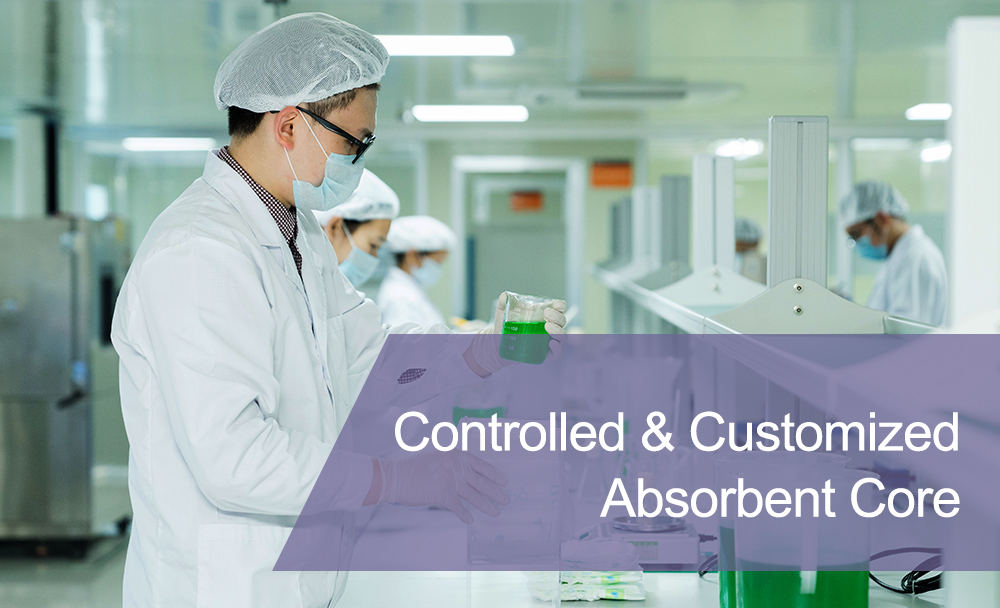
Information Gain: High-performance wet wipes depend heavily on water purity. Top-tier factories utilize multi-stage Reverse Osmosis (RO) filtration systems integrated with Electrodeionization (EDI). This process reduces chemical and microbiological bioburden down to parts-per-billion levels, ensuring fluid stability and extended product shelf life.

Guangdong Bangbao Personal Care Products Co., LTD. ensures successful business collaborations with global partners by delivering high-value personal care solutions. Established on a foundation of reliability, the company's objective is to become a leading hygiene enterprise in the Asia-Pacific region, improving quality of life through high-quality personal care products.
Our operational model is built on transparency, technical expertise, and regulatory compliance. We balance pricing with performance, utilizing raw material partnerships to protect our global clients from market volatility. Our long-term mission is to build a modern, resource-efficient personal hygiene ecosystem that serves markets globally.
CE Certification indicates that a product complies with EU health, safety, and environmental protection standards. For wet wipes, compliance requirements vary depending on the product's intended application:
Guangdong Bangbao's regulatory compliance framework streamlines the transition across international markets, helping distributors secure imports through verified documentation, batch testing, and traceability protocols.
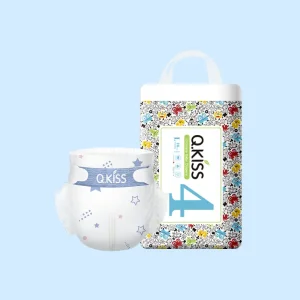
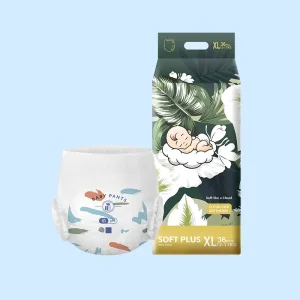
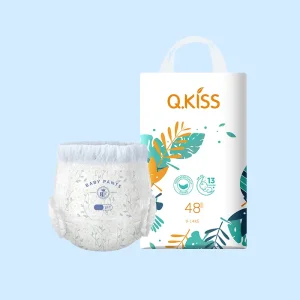
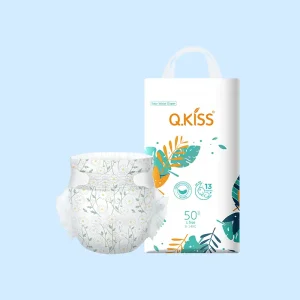
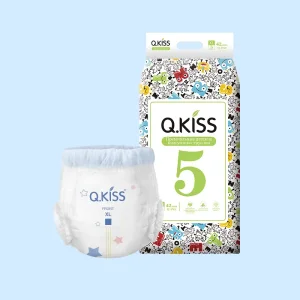
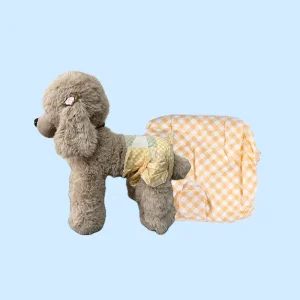
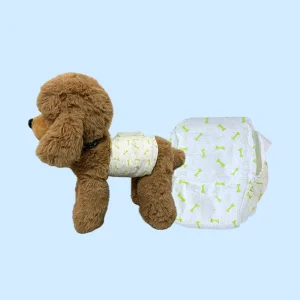
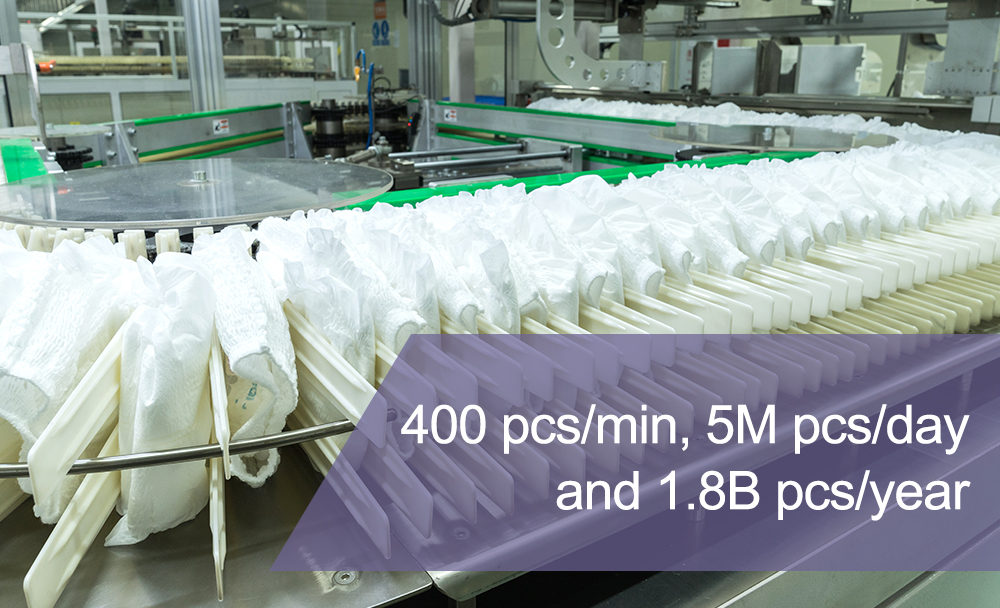
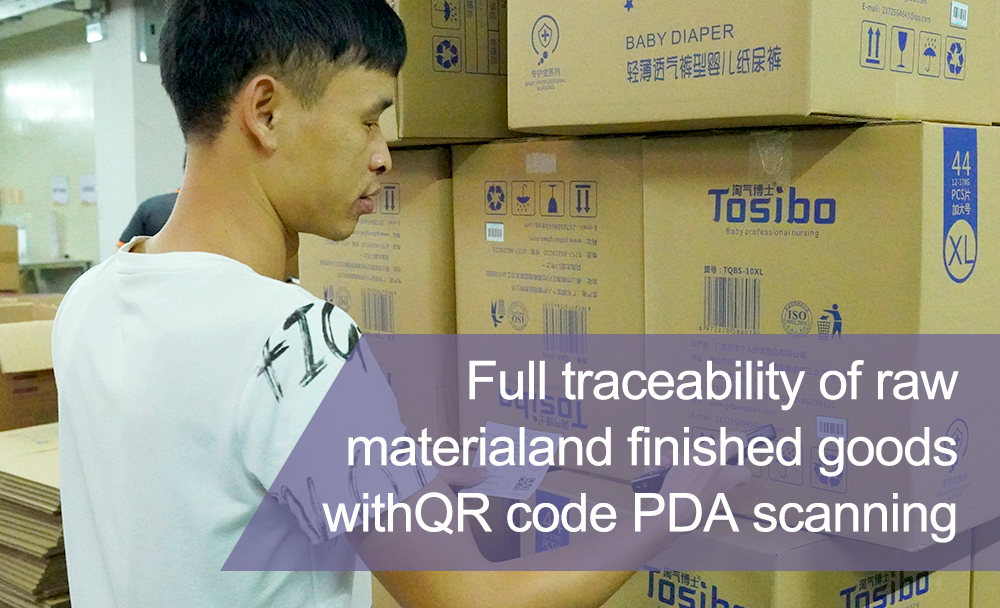
Based in Foshan, Guangdong, Bangbao's facility leverages regional supply chain networks and modern industrial technology. Our 68,000m² facility operates with 10 automated high-speed baby diaper, pant, and pet diaper lines. Integrating high-speed camera inspection, automated packaging, and inline metal detection ensures that every unit is traceable and compliant.
Our smart manufacturing platform helps buffer against raw material supply fluctuations, energy costs, and shipping congestion. We coordinate raw material flows, from high-performance fluff pulps to medical-grade spunlace non-wovens, maintaining high output reliability. This regional integration enables a total annual production capacity exceeding 1.8 billion pieces.
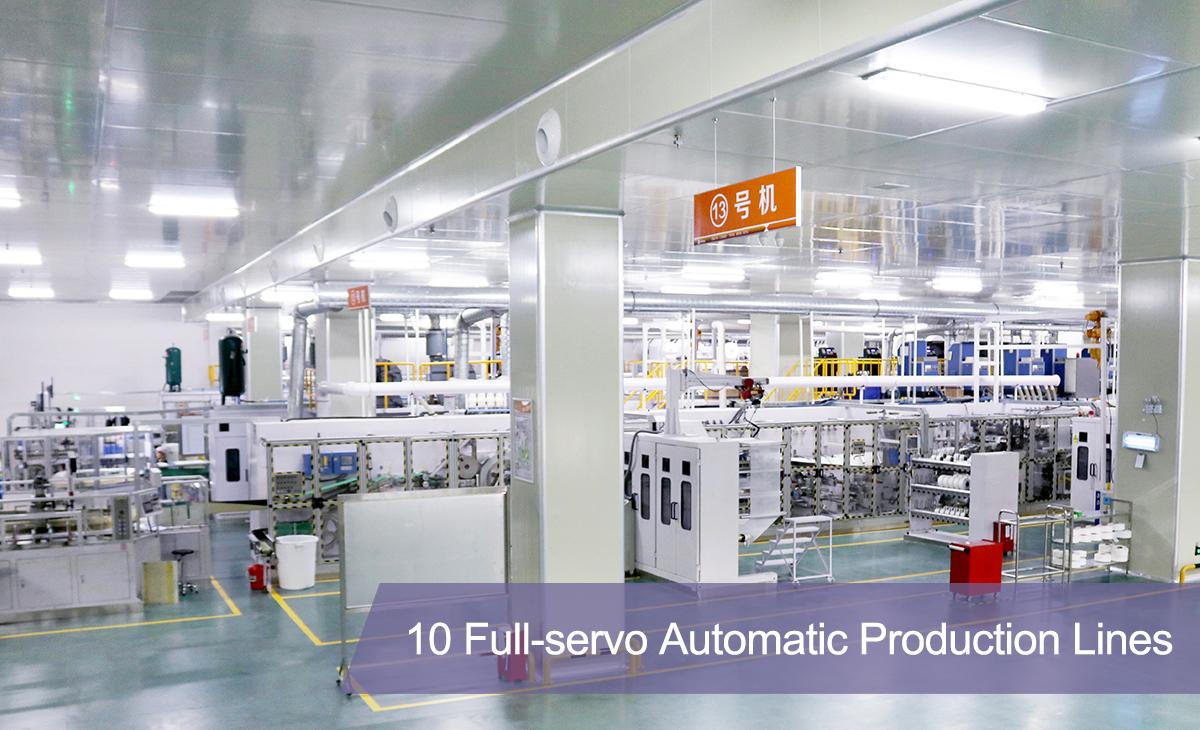
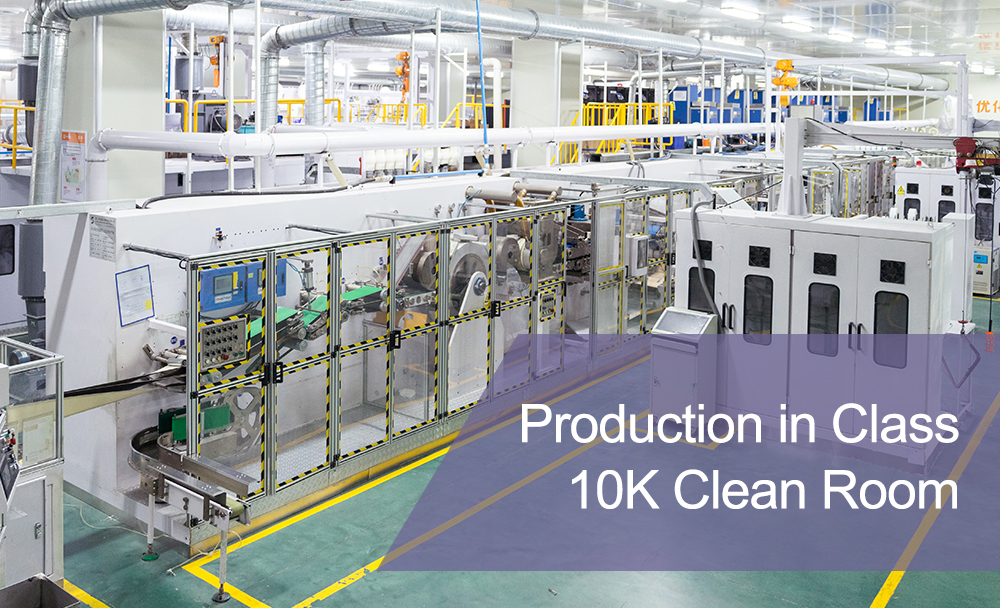
A primary differentiator for medical-grade hygiene manufacturing is our Class 10K cleanroom environment. Cleanliness is defined by particle counts per unit volume of air, managed via advanced HEPA filtration and air handling systems:
By restricting airborne particulates to under 352,000 particles (≥0.5µm) per cubic meter, our cleanroom prevents mold spores, fungi, and bacterial contamination from contacting the raw substrates and wetting formulations before packaging.
Centralized climate control monitors temperature, relative humidity, and air pressure differentials. Consistent relative humidity levels (45%-60%) prevent static charge buildup in non-woven processing, ensuring uniform fiber distribution.
High-speed camera tracking inspects fiber alignment and detects foreign debris, while integrated metal detectors screen every product package before final box assembly.
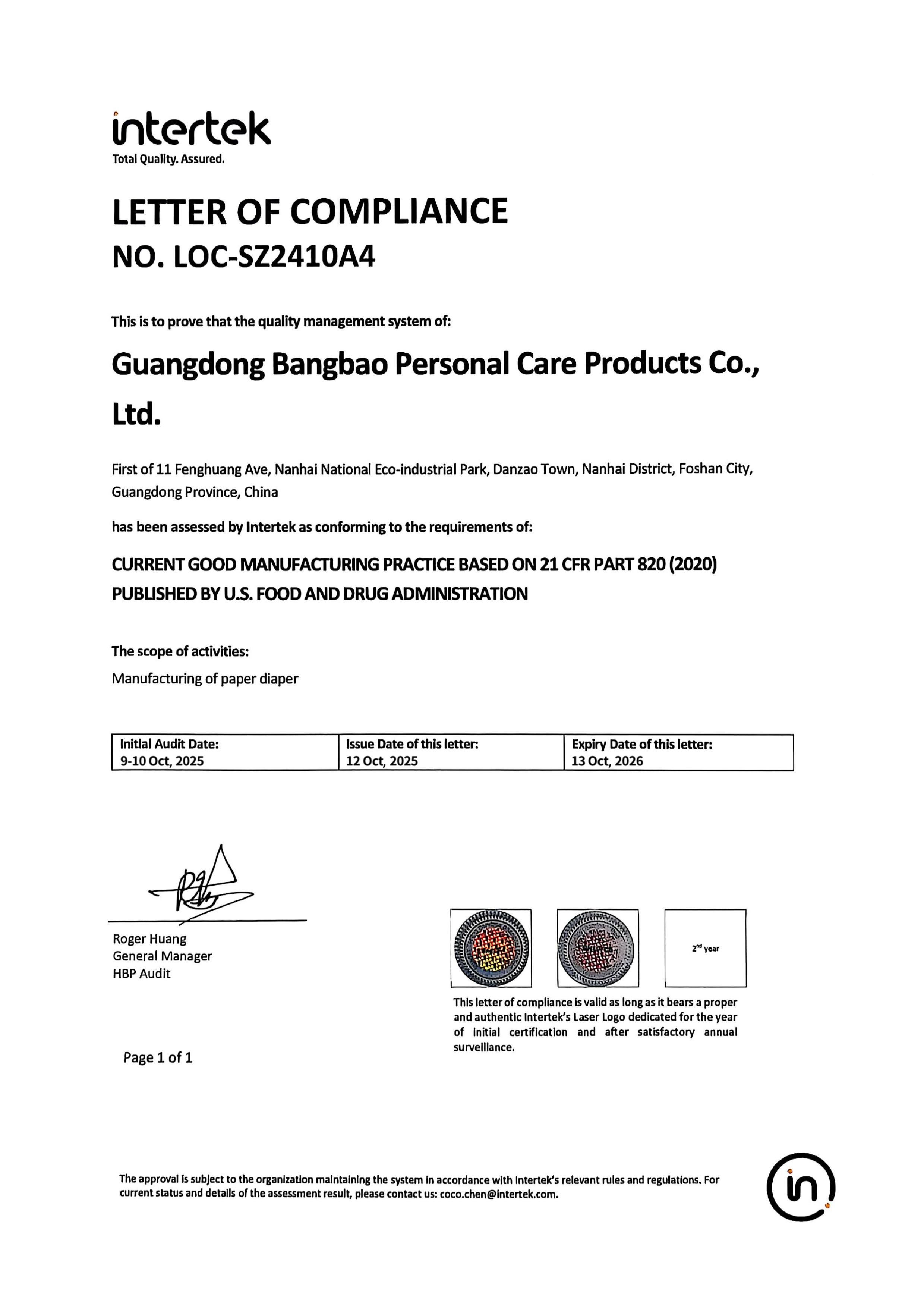
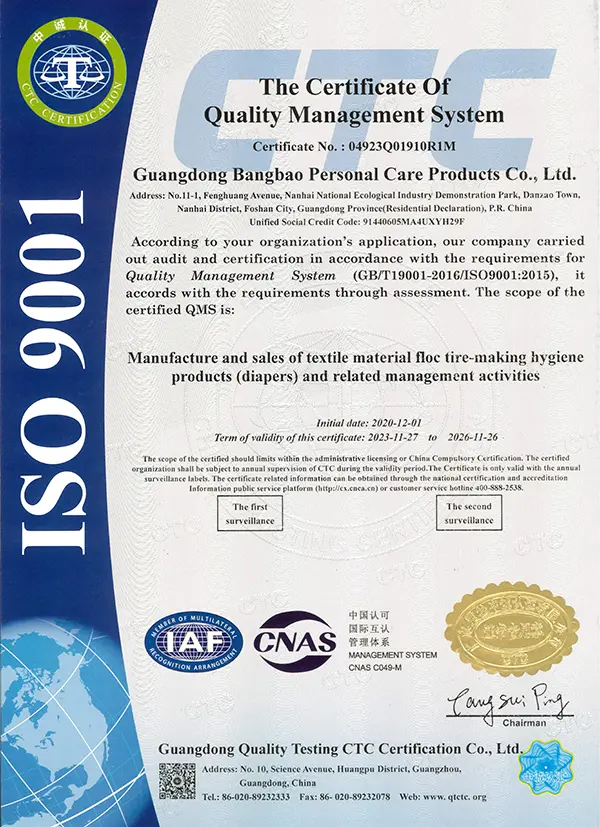
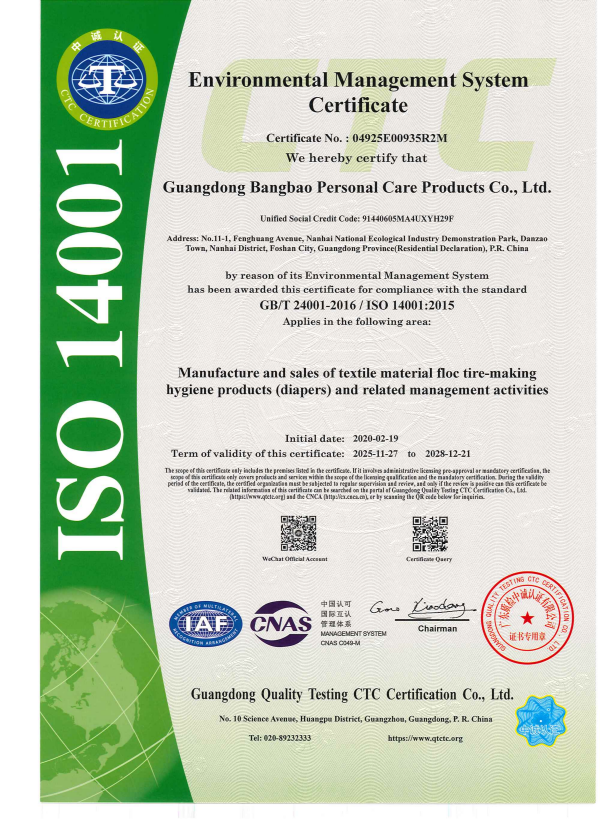
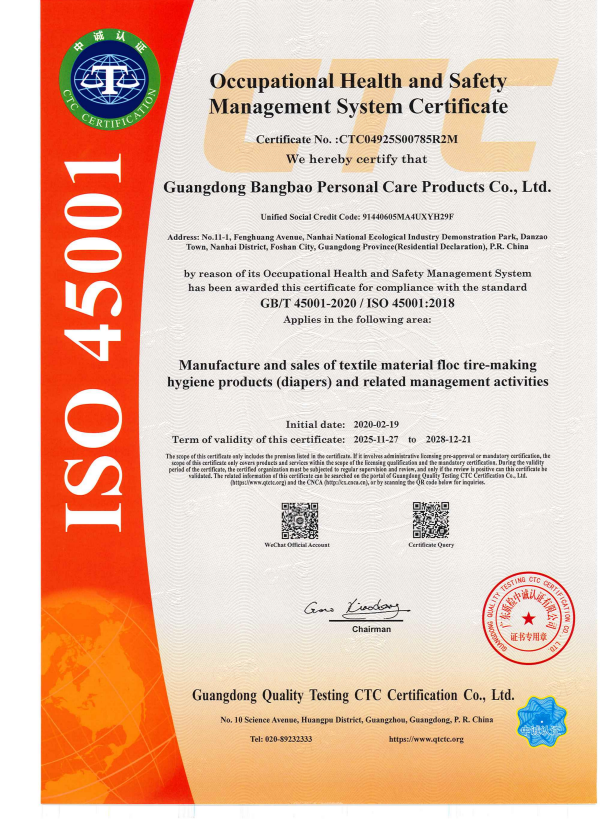
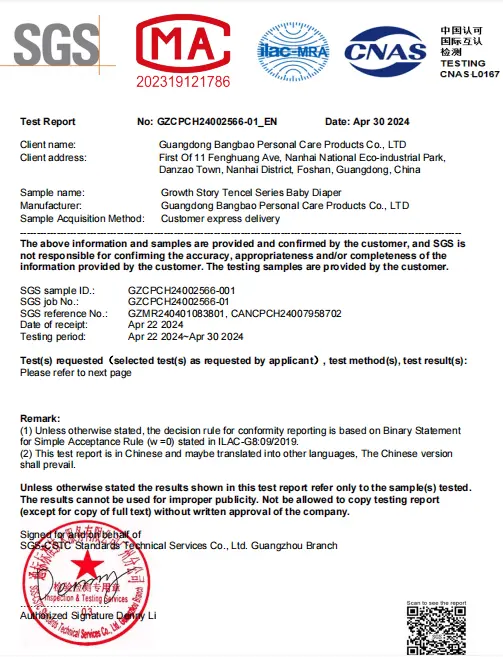
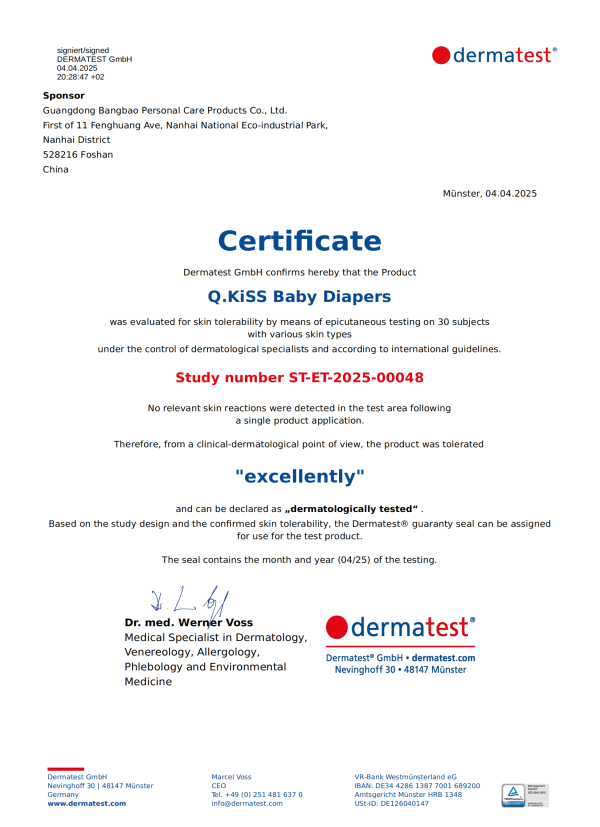
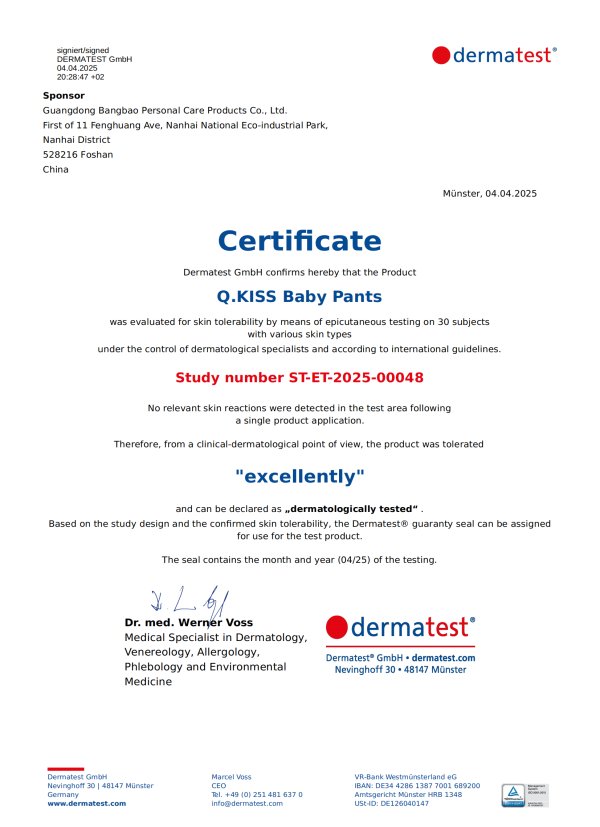
Our manufacturing protocols are certified under international testing and management standards including ISO, CE, and FDA compliance directories.
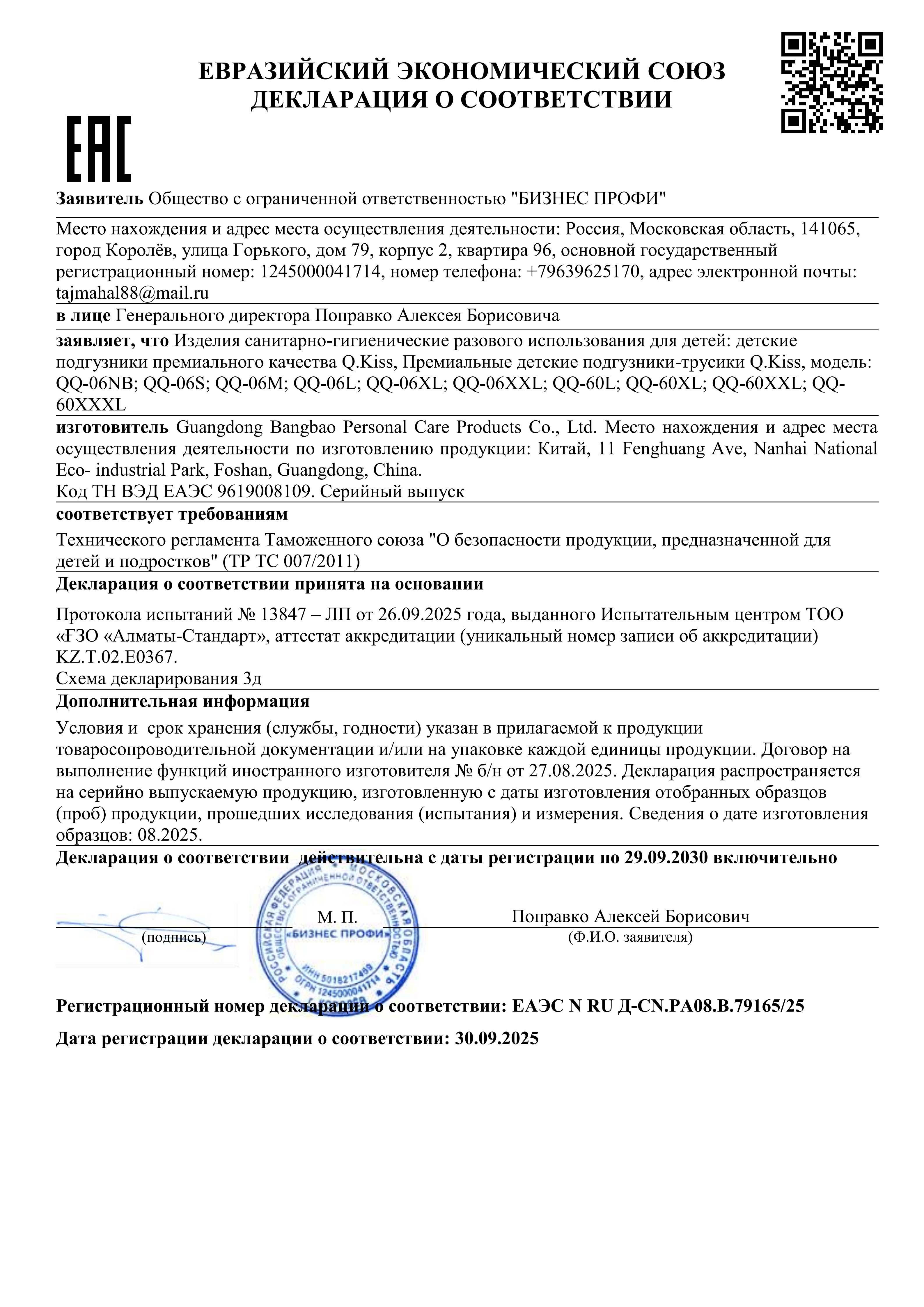
Our hygiene products are engineered for specific, high-standard application scenarios across diverse industrial, clinical, and consumer environments:
Surgical pre-operative preparation, intensive care patient cleaning, and medical surface disinfection. Formulated to be low-linting and highly compatible with hospital environments.
Ultra-soft formulations for sensitive infant skin, balancing high water content with natural botanical preservatives and zero alcohol or fragrances.
Static-free wipes designed for microelectronics, aerospace maintenance, and precision optics manufacturing where particulate control is vital.
Our OEM and ODM development platforms provide end-to-end support, helping clients navigate from initial concept design to global logistical coordination:
Select from spunlace non-woven (cross-lapped or parallel-lapped), biodegradable bamboo, organic cotton, woodpulp composites, or micro-structured embossed patterns.
Choose tailored lotions, from standard moisturizing options to medical-grade sanitizers, customized biological extracts, or alcohol-free preservation matrices.
Single sachets, flow-packs with rigid flip-top lids, canister configurations, or large-capacity refill bags, customized with multi-language labeling.
Our technical team provides safety data sheets (SDS), toxicology reports, stability testing, and registration dossiers to support imports into international target markets.
CE Certification indicates a product's compliance with EU health and safety standards. For wet wipes, registration under the Cosmetic Regulation (EC No 1223/2009) or Medical Device Regulation (MDR 2017/745) is necessary to clear EU customs, verify ingredient safety profiles, and reduce product liability risks for distributors.
A Class 10K (ISO Class 7) cleanroom limits airborne particulates to protect the product from biological contamination during wetting and packaging. This environment allows the use of gentler preservative formulas, maintaining compliance with dermatologist standards.
We use plant-derived substrates including Viscose, Lyocell (Tencel), Bamboo pulp, and organic cotton. These materials decompose naturally under standard composting conditions, helping brands comply with single-use plastic restrictions.
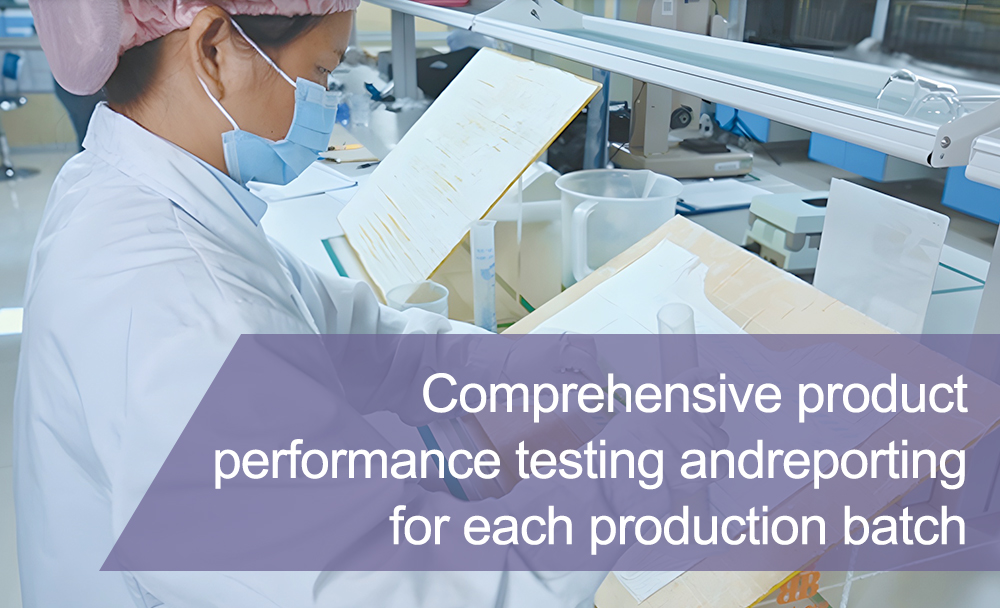
Every production batch receives a unique tracking code indicating the raw material lot, manufacturing run time, cleanroom shift details, and testing results. Retained samples of each batch are archived in our quality control laboratory throughout the product's shelf life.
Initial orders typically require 30 to 45 days, including formulation verification, packaging design, and raw material sourcing. Repeat orders are completed within 20 to 30 days depending on production capacity scheduling.
 Bangbao