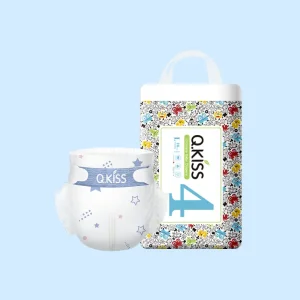
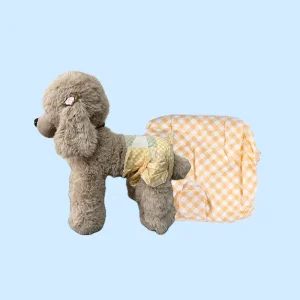
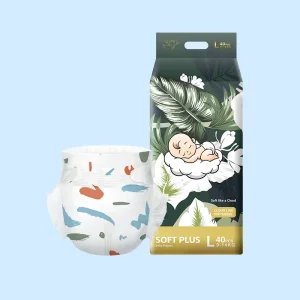
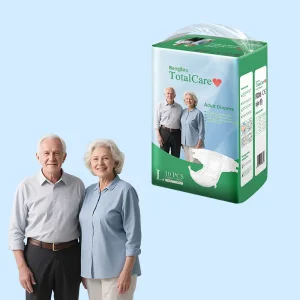
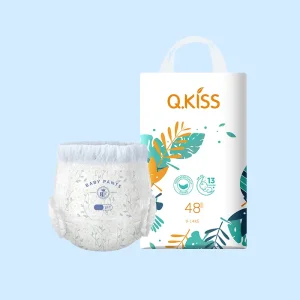
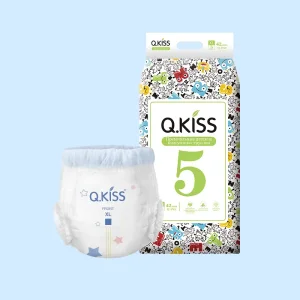
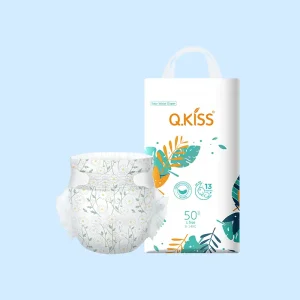
Explore our premium grade certified diaper variations engineered for international specifications and tailored to baby, adult, and pet hygiene niches.
In the global personal hygiene marketplace, terminology varies significantly across regional demographics, which complicates procurement pathways. For instance, what is referred to as a “diaper” in North America is designated as a “nappy” in the United Kingdom, Australia, and parts of South Africa. In the adult care sector, terms such as “incontinence briefs,” “adult pull-ups,” “slip diapers,” and “disposable underpads” are used interchangeably depending on the level of clinical mobility required.
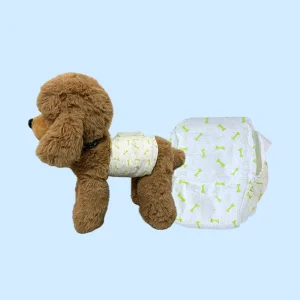
Similarly, the pet care segment defines products under classifications like “male wraps,” “female dog diapers,” and “hygiene pants.” Understanding these localized naming architectures is essential for global distributors, logistics professionals, and hospital purchasing departments to guarantee compliance with regional supply standards and matching catalog numbers.

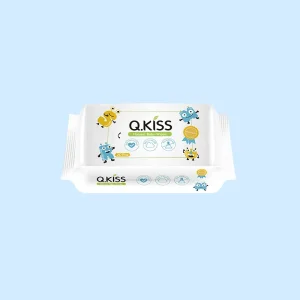
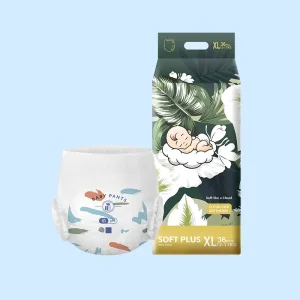
Established since 2010, Guangdong Bangbao personal care products Co., LTD. is a leading enterprise specialized in manufacturing baby diaper, baby pant, wet wipe and a variety of personal care products.
As of today, our total annual turnover is more than USD $35.8 million. We aim to provide personal care products with the best balance between quality and price continuously, to all of our customers around the globe.
Bangbao ensures a successful business collaboration with our global business partners, continuous to provide personal care products with the best value for money to all of our customers.
Our goal is becoming one of the biggest hygiene groups in Asia Pacific. And to make the world a better place with excellent personal care products from Bangbao.
By leveraging advanced logistics, high-efficiency research and development protocols, and localized market adaptations, we provide key stakeholders with customized OEM and ODM solutions that elevate standard product ranges into highly-valued, market-dominant assets.

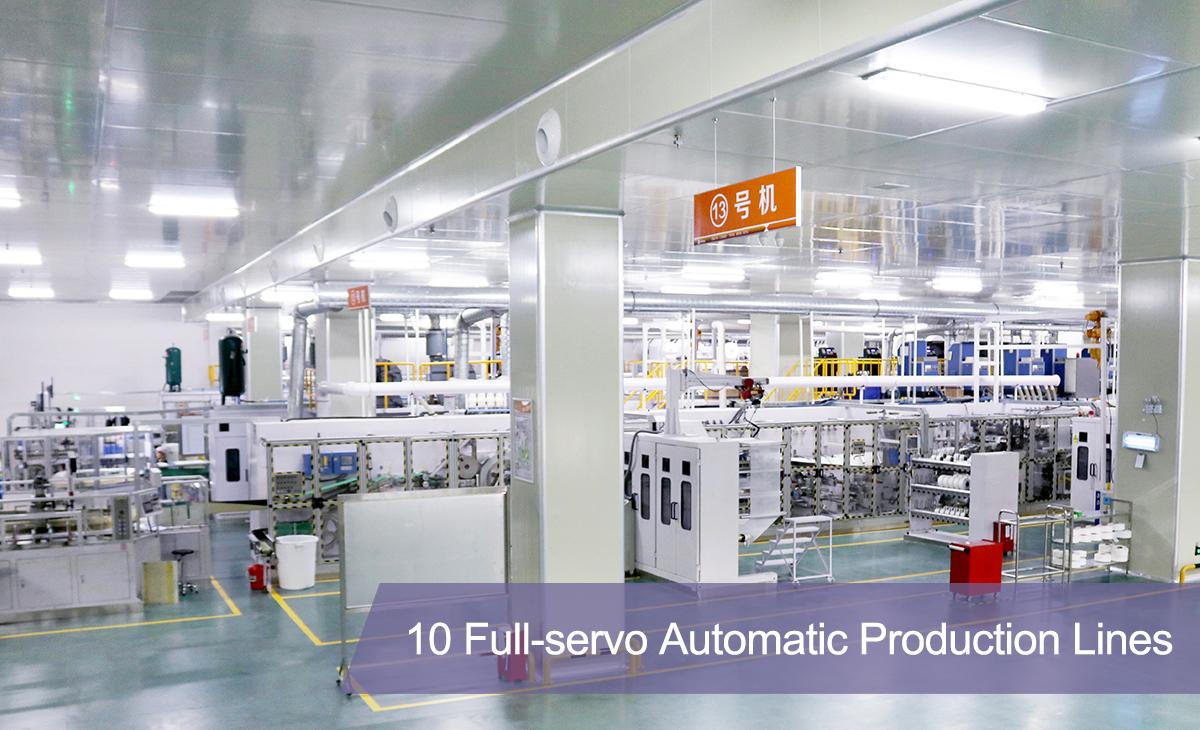
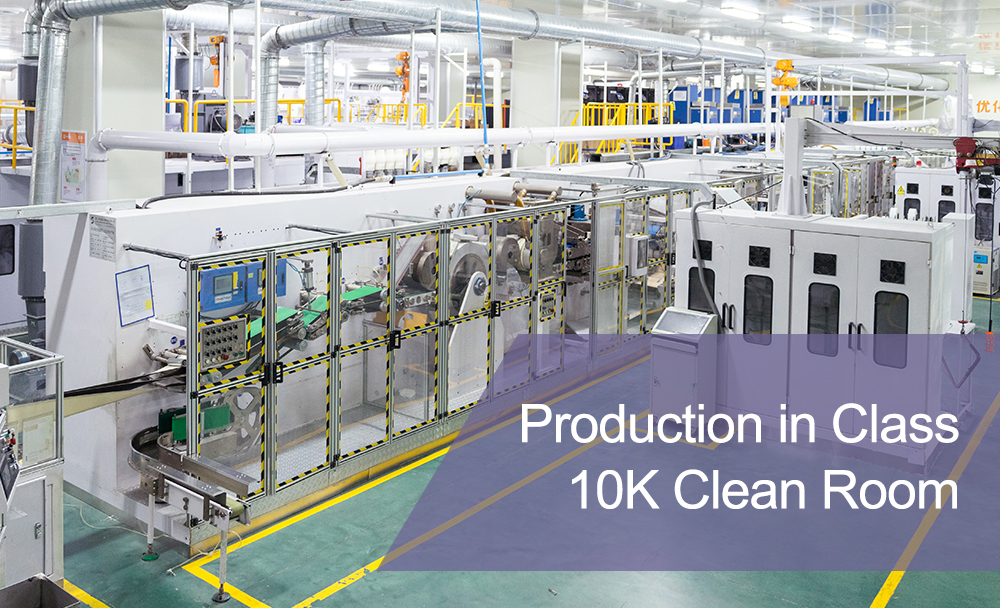
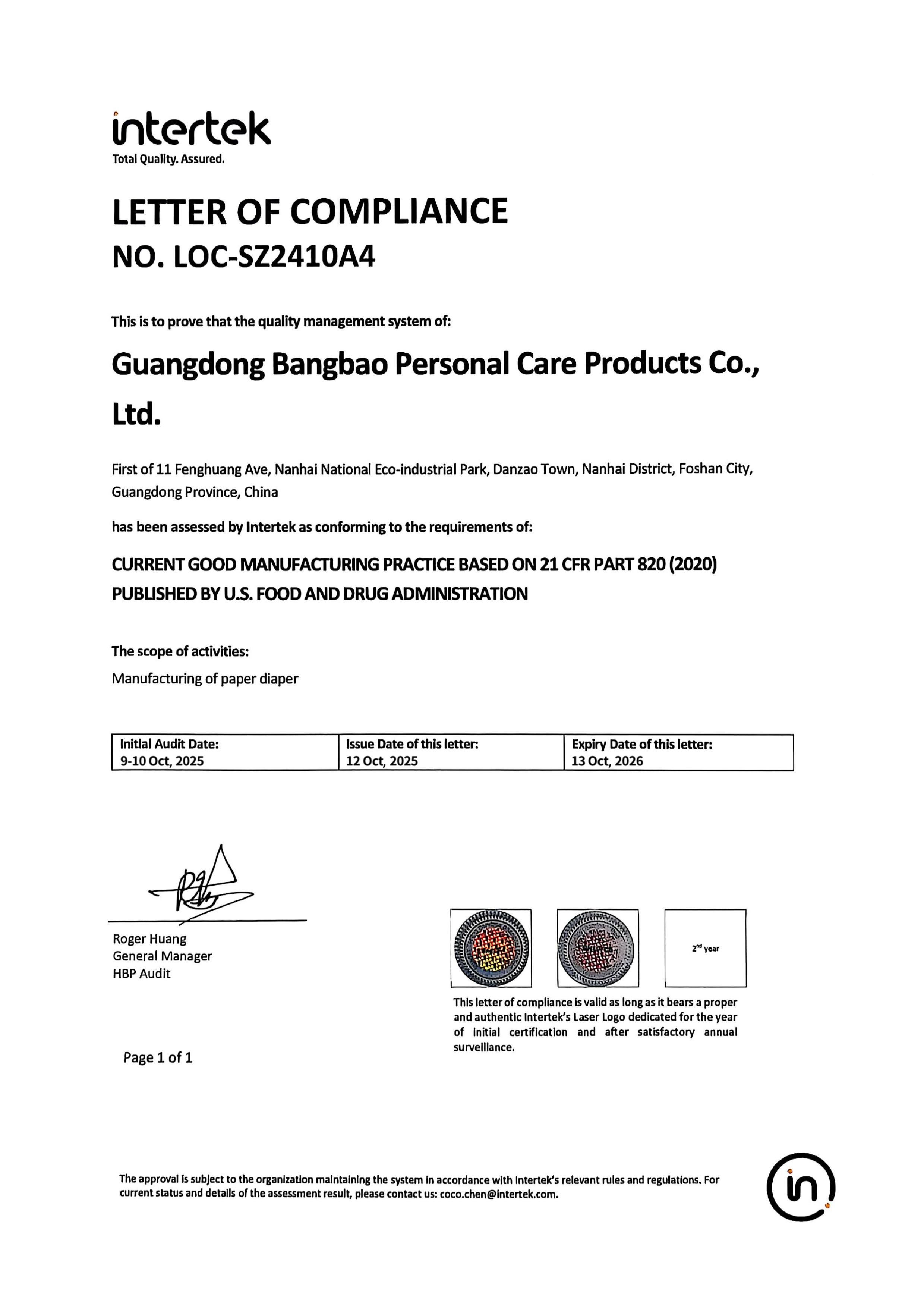
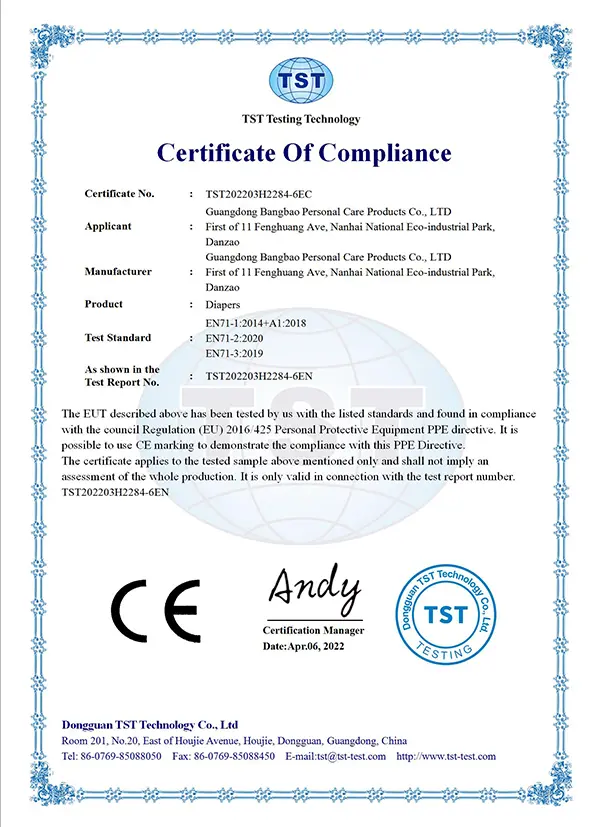
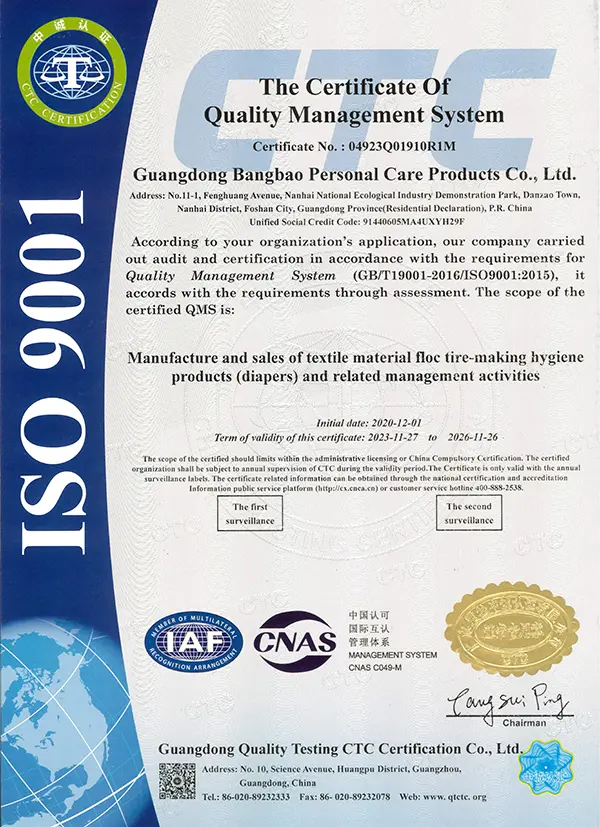
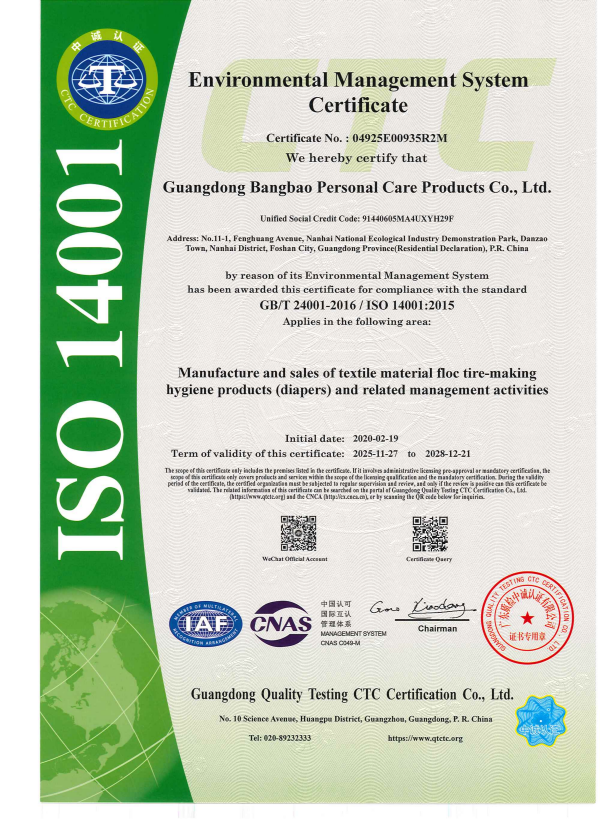
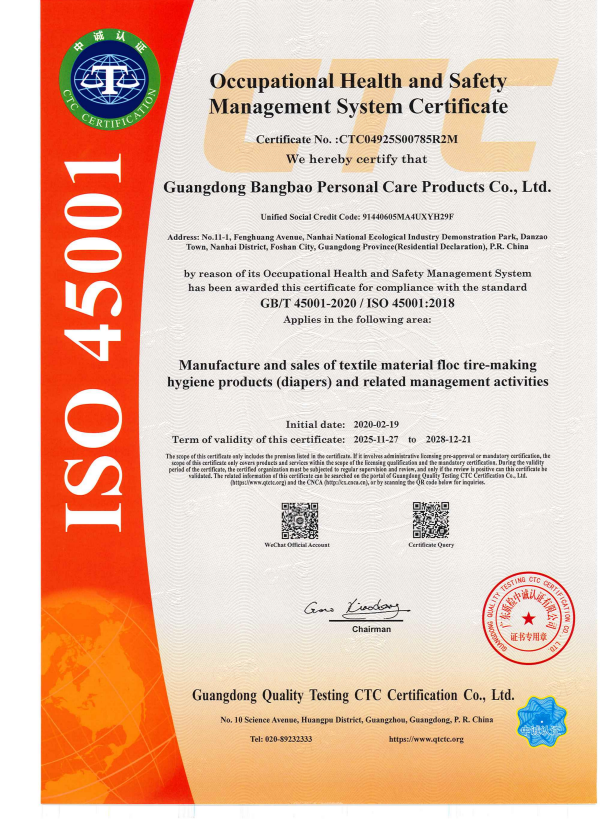
Located in Foshan Guangdong, Bangbao owns a production base of 68,000m² in class 10K clean room classification with central AC support, certified by FDA, CE and ISO.
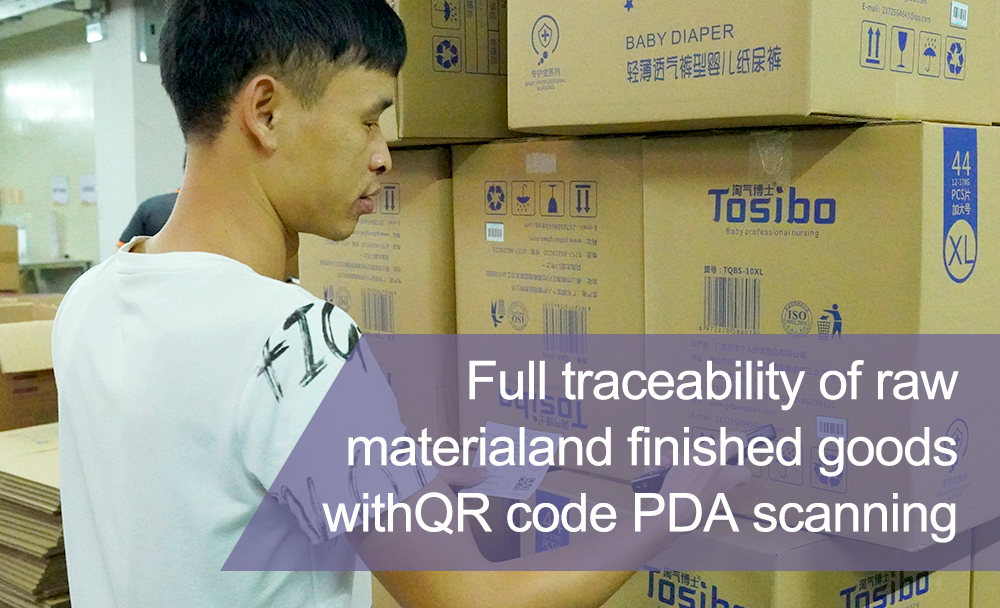
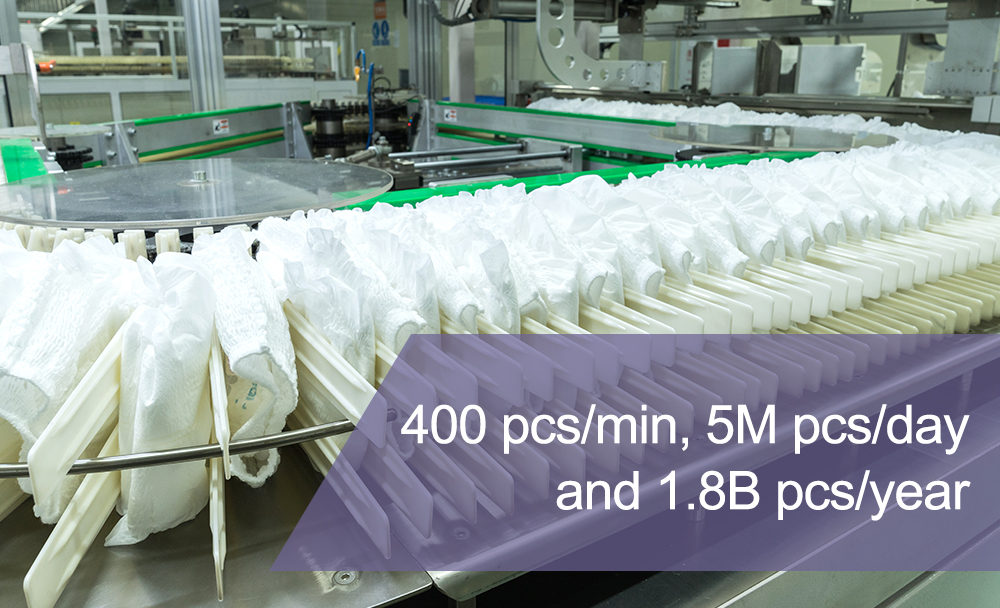
Bangbao equips 10 total automatic high speed baby diaper & pant and pet diaper production lines, with the installation of high speed camera, automatic packing machine and metal detector, which assures each piece of diaper/pant we produced is fully traceable, and makes our annual production capacity over 1.8 billion pieces.
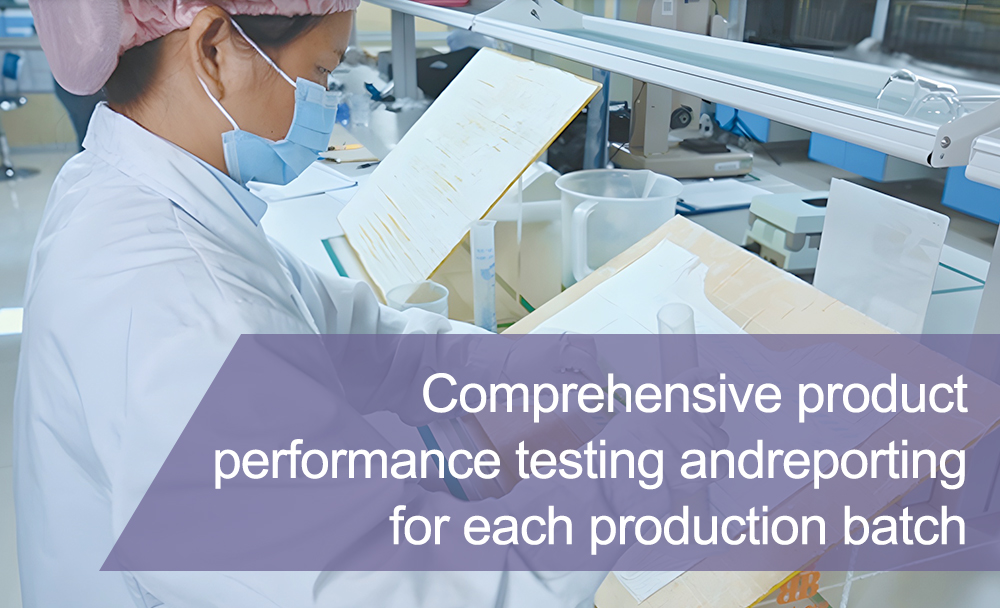
We insists on "Quality makes success. Attitude makes perfection." Bangbao's professional R&D team dedicate in improving and innovating our personal care products in design of structure and material continuously. And our experts in Quality Assurance that every product from Bangbao is manufactured with excellent quality.
A comprehensive examination of chemical thresholds, dermatological safety, and structural criteria required by European standards.
Under CE directives, raw materials contacting epidermis (such as nonwovens and topsheets) must undergo rigorous biocompatibility assessments. Tests include in vitro cytotoxicity, skin irritation (ISO 10993-10), and skin sensitization protocols (ISO 10993-10) to verify zero risk of contact dermatitis for infants or incontinent adults.
CE compliance prohibits hazardous chemical traces. Materials are strictly limited in terms of formaldehyde, heavy metals, organotin compounds, phthalates, and elemental chlorine. Core materials use TCF (Totally Chlorine Free) or ECF (Elemental Chlorine Free) fluff pulp to eliminate toxic dioxin formations.
Baby diapers and pet pads fall under the General Product Safety Directive (GPSD 2001/95/EC), focusing on physical hazards. In contrast, adult incontinence diapers for clinical use must comply with the Medical Device Regulation (MDR (EU) 2017/745 Class I), requiring robust Clinical Evaluation Reports (CER) and post-market clinical follow-ups.
Analyzing the structural, logistical, and technical parameters that give Guangdong-based production centers a competitive advantage globally.
Guangdong's Pearl River Delta region hosts the world's most dense ecosystem of nonwoven fabric manufacturers, superabsorbent polymer (SAP) suppliers, and mechanical engineering firms. Because raw materials like Sumitomo SAP and high-grade spunbond nonwovens are sourced locally, domestic factories reduce lead times to a fraction of the industry standard. High-speed raw material logistics cut carbon footprints and warehouse costs, allowing savings to be passed directly to procurement partners.
Modern Chinese manufacturing facilities run high-speed automated machinery capable of producing up to 600 baby pants per minute. This level of speed requires integrated quality control. High-definition camera systems monitor web tension, SAP distribution, and placement of elastic waistbands in real time. If a product deviates by even 0.5mm, the machine flags and automatically ejects it before packaging, ensuring that defects do not reach international containers.
How diaper specifications are tailored to the physical needs and environmental conditions of baby, adult, and pet populations.
Engineered for high-mobility phases. Requires 3D leak guards, double-stretch elastic waistbands, and ultra-thin SAP cores that prevent sagging. Key markets demand breathable backsheets to prevent diaper rash in warm climates.
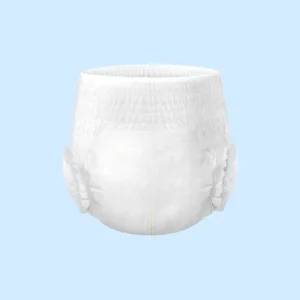
Tailored for bedridden or active adult incontinence. Focuses on maximum absorption capacity (up to 3000ml), wetness indicator lines, and advanced odor control systems using antibacterial polymers.
Specifically designed anatomically for tail holes and specialized coat textures. Essential for senior pets, post-operative recovery, and indoor training, ensuring no urine bypasses the protective barriers.
Visual presentation of manufacturing environments and finished products ready for distribution.

Predicting shifts in consumer preferences, raw material developments, and global sustainability regulations over the next decade.
Increasing European restrictions on single-use plastics are pushing manufacturers to replace polyethylene backsheets with polylactic acid (PLA) or bamboo fiber alternatives. The market is shifting toward 100% compostable diaper chassis.
IoT-enabled wetness detection systems are gaining traction in institutional adult care. Printing conductive ink patterns on the core allows sensors to alert caregivers via mobile apps, lowering instances of prolonged moisture exposure.
Traditional fluff-heavy cores are being replaced by ultra-thin composite cores containing 100% SAP. This reduces diaper bulk by 40%, optimizing packaging sizes and reducing ocean freight costs per unit.
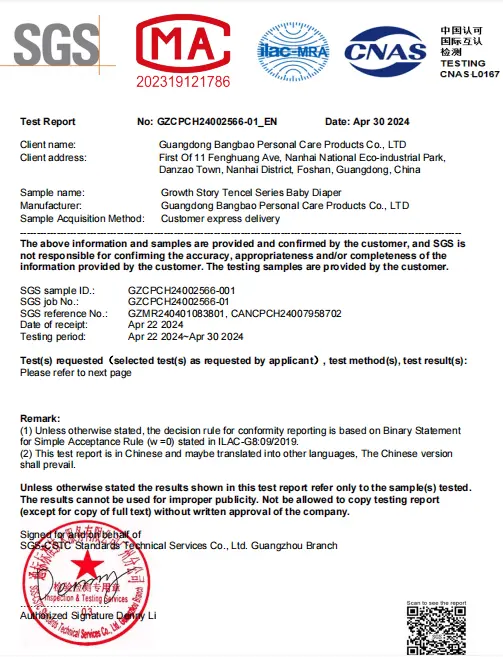
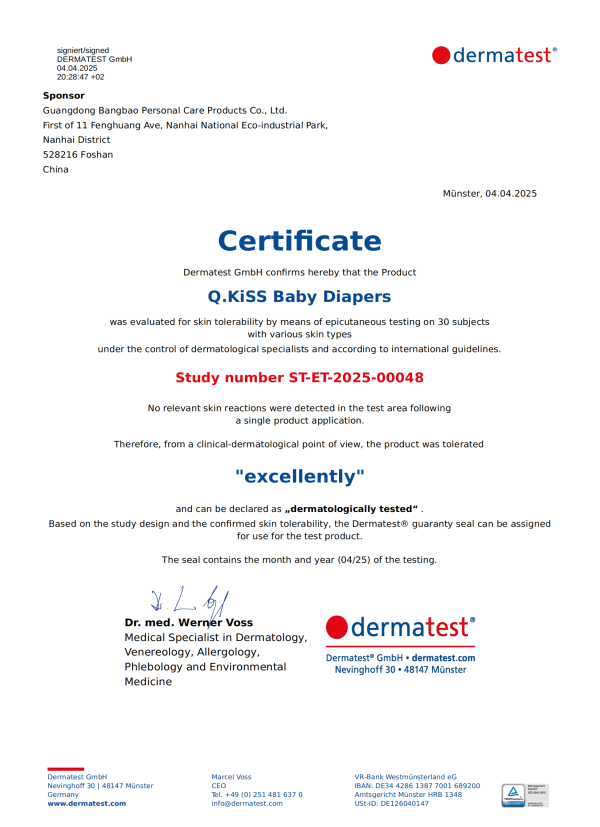
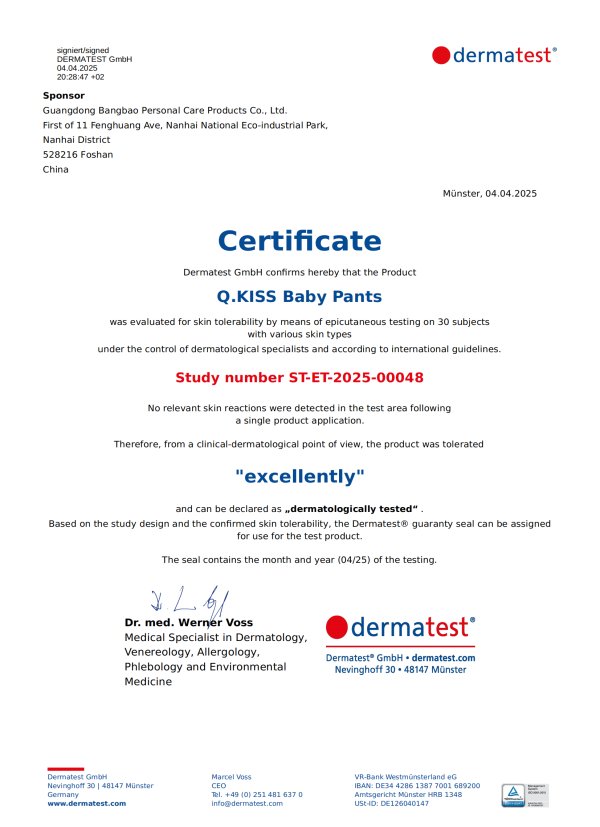
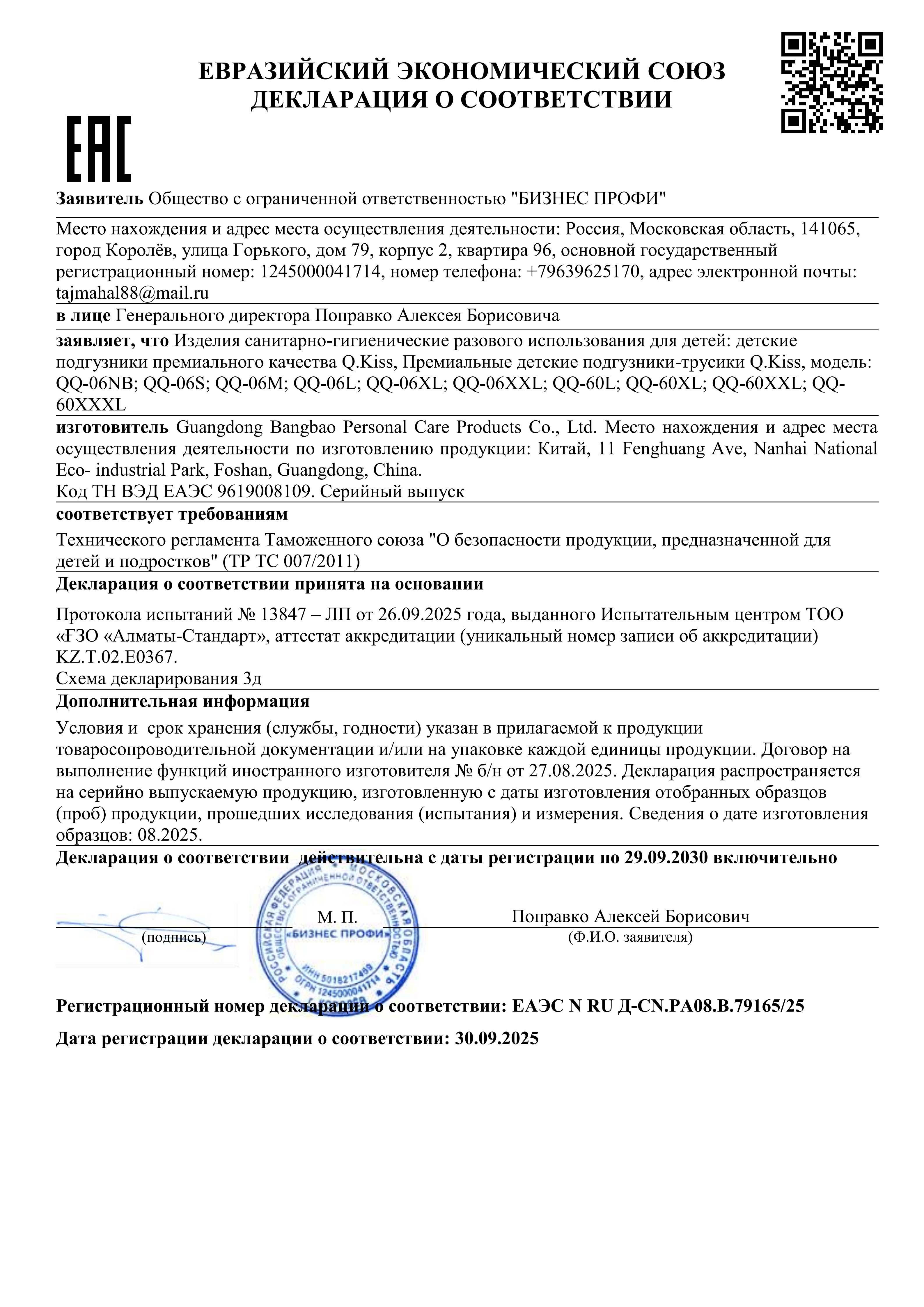
Proof of our conformity with FDA, ISO, and CE regulations, confirming the safety of every batch we produce.
A roadmap for international distributors, bulk retailers, and clinical institutions looking to source high-volume personal care goods.
From initial design concept to final shipping, our OEM/ODM pathways are built for efficiency. We support fully customized outer printing, custom elastic tensions, tailored core absorption ratios (ranging from 400ml to 3000ml), and custom packaging bags for local market placement. Our engineering team can matching exact physical benchmarks from target competitive markets.
B2B procurement teams require rigorous audits before vendor onboarding. We support full documentation pipelines, providing complete access to material safety data sheets (MSDS), factory ISO 9001/13485 audits, cleanroom microbiologic assays, and shipping container loading checklists. This high degree of transparency mitigates operational risks and guarantees compliance with your import requirements.
Our regulatory and engineering teams answer frequently asked technical questions regarding compliance, manufacturing materials, and logistics.
A: Adult diapers designed for clinical incontinence are classified as Class I Medical Devices under the EU Medical Device Regulation (MDR 2017/745). They must carry the CE marking to prove compliance with clinical safety, biocompatibility, and absorption performance. Baby diapers fall under the General Product Safety Regulation (GPSR) rather than the MDR, but they still require CE verification of chemical safety (compliance with REACH regulations regarding heavy metals, phthalates, and skin-irritation hazards).
A: Our 68,000m² manufacturing facility is certified under Class 10K clean room standards. This ensures that the air quality, humidity, and airborne dust particles are monitored and kept below strict limits. By keeping microbial counts low during assembly, we eliminate the risk of bacterial contamination on absorbent fibers, providing a safer product for sensitive skin.
A: We partner with leading global chemical brands like Sumitomo and Sandia. Our composite diaper cores combine high-performance SAP with totally chlorine-free (TCF) wood pulp. This structure rapidly draws fluid away from the surface, trapping moisture in a gel matrix to prevent re-wetting and leaks, even under pressure.
A: Yes. We offer comprehensive OEM/ODM customization services. Buyers can define the overall dimensions, elastomeric tape parameters, wetness indicators, and packaging styles. Our R&D team works closely with you to adjust the polymer ratios and nonwoven weights to meet your target market's performance benchmarks.
A: Our production lines run at high speeds, using high-resolution industrial CCD camera systems. These cameras inspect every single diaper on the conveyor, verifying the alignment of the core, tape tabs, and leak guards. Any unit that does not meet the specified tolerances is immediately blown off the line by pneumatic ejectors, ensuring high consistency across production runs.
Browse our complete list of international products, which are fully customizable for retail, healthcare, and pet care distributors worldwide.
 Bangbao