Top Eco Green Diapers for Sustainable Parenting Choices?

Time:2026-08-31 Author:Aria
0%

In recent years, the demand for Eco Green Diapers has surged as parents seek sustainable options for diapering their babies. According to a 2022 report by the North American Menstrual Products Market, eco-friendly diaper brands are projected to grow 15% annually. This shift reflects a broader trend towards sustainability in parenting. Many new parents are becoming more environmentally conscious, recognizing the impact of traditional diapers on landfills.

Disposable diapers contribute significantly to waste. In fact, a single baby can use over 5,000 diapers before potty training. This leads to nearly 1 billion pounds of waste annually in the U.S. alone. Eco Green Diapers offer a refreshing alternative. They are typically made from biodegradable materials, reducing environmental impact. However, not all “eco” claims are created equal. Parents must navigate a complex market with varying levels of sustainability.

Choosing Eco Green Diapers is not only about health and safety. It also presents challenges. Some eco-friendly options are more expensive. Others may not perform as well as conventional products. Therefore, the journey toward sustainable parenting requires careful consideration and informed choices. It’s essential to weigh the benefits against practicality.
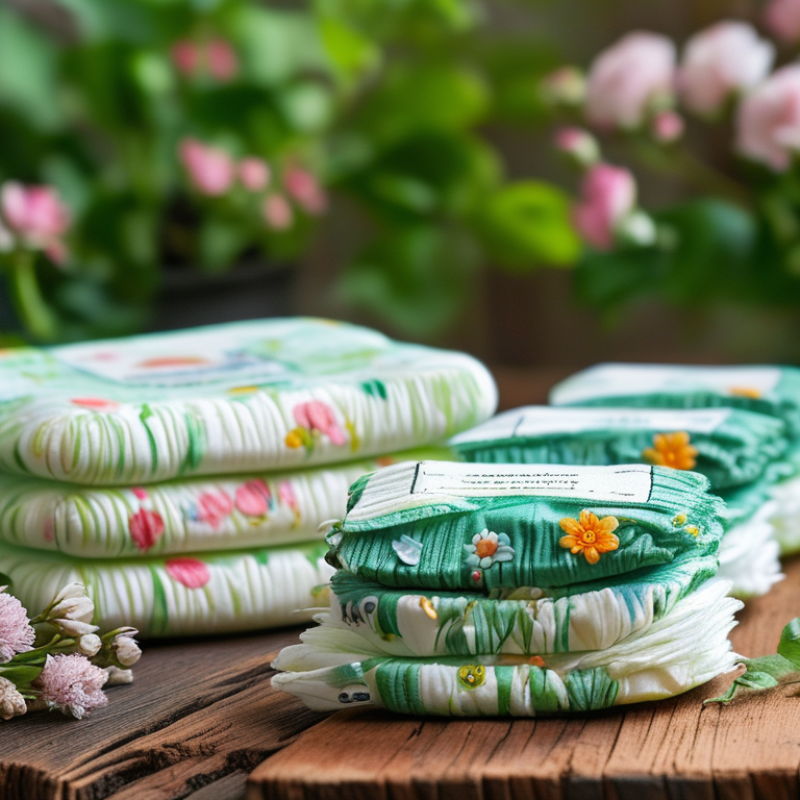
Top Eco Green Diapers for Sustainable Parenting Choices?

Top Eco-Friendly Materials Used in Green Diapers Industry

The green diaper industry has seen a significant shift toward eco-friendly materials. Many brands now use biodegradable components, reducing long-term waste. A report from a leading environmental consultancy states that traditional disposable diapers can take hundreds of years to decompose. This urgency has prompted innovations in materials.

Plant-based materials like bamboo and organic cotton are increasingly utilized. These materials not only minimize environmental impact but also provide comfort for infants. According to a recent study, diapers made from these sources can reduce greenhouse gas emissions by up to 40%. Such figures highlight the positive shift towards sustainable options in parenting.

Parents looking for eco-friendly choices should consider alternatives made from recycled plastic or hemp. These materials boast durability while being less harmful to the planet. Remember to check certifications to ensure the products meet sustainability standards. It’s crucial to balance convenience with environmental responsibility. Reflecting on these choices can lead to more informed decisions in sustainable parenting.

Top Eco-Friendly Materials Used in Green Diapers

The Environmental Impact of Disposable vs. Cloth Diapers

The choice between disposable and cloth diapers significantly impacts the environment. Disposable diapers account for a staggering amount of waste, often taking hundreds of years to decompose in landfills. As they break down, they release harmful chemicals into the soil and waterways. This eco-footprint is crucial for new parents who are becoming more environmentally conscious.

Cloth diapers, while needing more water and energy for washing, present a more sustainable option overall. They can be reused for multiple children, reducing waste substantially. However, the wash cycle can still consume resources and energy, prompting some to reflect on their laundry habits. Families must balance convenience with ecological impact, asking themselves what it truly means to be eco-friendly. Each choice carries weight and deserves careful consideration.

Market Analysis: Growth Trends in Sustainable Diaper Industry

The sustainable diaper industry is experiencing significant growth. Parents are increasingly aware of their environmental impact. This awareness drives demand for eco-friendly products. Biodegradable diapers and reusable options are becoming popular choices.

Market analysis shows a shift in consumer behavior. Many parents now prioritize sustainability. This trend reflects a broader commitment to green living. Companies are responding with innovative designs. They focus on organic materials and reduced waste. However, challenges remain. Many sustainable diapers still lack affordability and availability.

Despite the positives, some products are not as effective as traditional options. Absorbency can be a concern for parents. The industry needs to address these issues to gain wider acceptance. Continuous improvement and education will help bridge the gap. Ensuring reliability in performance is crucial for sustainable options to thrive.

Consumer Preferences: What Parents Look for in Eco Diapers

Eco-conscious parents focus on sustainability when choosing diapers. A 2021 report by Grand View Research revealed that 72% of parents prefer eco-friendly products. This trend reflects a growing awareness of environmental impact. Parents seek biodegradable materials and reduced plastic waste.

When evaluating eco diapers, comfort rates highly among consumers. According to a survey by Research and Markets, 65% of parents prioritize softness and absorbency. Many want reassurance that eco-friendly does not mean sacrificing quality. However, some eco-friendly diapers may lead to skin irritation for sensitive babies. This highlights the need for thoughtful selections.

Parents also value transparency in sourcing and manufacturing. A Nielsen study showed that 78% of consumers are more likely to buy from brands that communicate their sustainability efforts. Yet, not all manufacturers provide clear information. This can lead to confusion, emphasizing the importance of informed choices. Ultimately, sustainable parenting requires balancing eco-friendliness with practical needs.

Certification Standards for Eco-Friendly Diaper Products

The increasing demand for eco-friendly diapers is evident in the parenting community. Many parents now seek products that align with sustainability. To ensure these products meet environmental standards, certification is crucial. Various organizations assess diapers based on environmental impact, materials used, and safety for babies.

Look for labels like the Global Organic Textile Standard (GOTS) or the OEKO-TEX certification, which indicate that the materials are organic and free from harmful substances. Research suggests that eco-friendly diapers can reduce landfill waste by up to 50%. Traditional disposables take hundreds of years to decompose, making these sustainable alternatives a vital choice for environmentally-conscious families.

However, the eco-friendly diaper market is still developing. Not all products labeled as “green” meet rigorous standards. Parents may feel overwhelmed by the myriad of options available. It’s essential to research and understand what certifications truly mean. Engaging with environmental studies can lead to more informed decisions. Balancing convenience and sustainability requires careful consideration and sometimes, a willingness to adapt to new practices.

FAQS

: What materials are commonly used in eco-friendly diapers?

: Eco-friendly diapers often use biodegradable components, like bamboo, organic cotton, or recycled plastics.

How long do traditional disposable diapers take to decompose?

Traditional disposable diapers can take hundreds of years to decompose in landfills.

What is the environmental impact of disposable diapers?

Disposable diapers create significant waste and release harmful chemicals as they break down.

Are cloth diapers a better option for the environment?

Cloth diapers can be reused, reducing waste, but they require water and energy for washing.

How do plant-based materials benefit eco-friendly diapers?

Plant-based materials, such as bamboo, minimize environmental impact and enhance infant comfort.

What should parents look for in eco-friendly diaper products?

Parents should check certifications to ensure products meet sustainability standards before purchasing.

Can eco-friendly diapers reduce greenhouse gas emissions?

Yes, diapers made from certain materials can reduce greenhouse gas emissions by up to 40%.

What challenges do cloth diaper users face?

Cloth diapers require resources for washing, leading users to reflect on their laundry habits.

Why is it important to balance convenience and eco-friendliness?

Parents need to consider the ecological impact of their choices while still meeting their child's needs.

How can parents make informed decisions about diaper choices?

Reflecting on the environmental effects and considering alternatives helps parents make better choices.

Conclusion

Eco Green Diapers are increasingly becoming a popular choice among environmentally conscious parents. These diapers are crafted from sustainable materials, significantly reducing their ecological footprint compared to traditional disposable options. The article explores the top eco-friendly materials utilized in the green diaper industry, highlighting their benefits and how they contribute to sustainable parenting.

Moreover, it delves into the environmental impact of disposable versus cloth diapers, presenting a thorough market analysis that showcases growth trends within the sustainable diaper sector. Understanding consumer preferences is crucial; the article examines what parents prioritize when selecting eco-friendly diaper products. Lastly, it outlines the necessary certification standards that ensure the quality and environmental integrity of Eco Green Diapers, offering a comprehensive look at this emerging trend in parenting.

Aria

Aria

Aria is a dedicated marketing professional with a deep passion for innovative strategies and a keen understanding of our company's product offerings. With a wealth of experience in the industry, Aria excels at crafting engaging content that highlights the unique features and benefits of our......