What is a Disposable Baby Diaper and Why Choose It?

Time:2026-07-11 Author:Sienna
0%

Disposable baby diapers have revolutionized infant care. According to Dr. Emily Carter, a leading expert in pediatric hygiene, “The choice of diaper impacts a baby's comfort and health.” Understanding the features of disposable baby diapers is crucial for parents navigating this decision.

These diapers are designed for convenience and efficiency. They offer high absorbency while being lightweight. Many parents appreciate the ease of disposal, especially during outings. However, some concerns linger about environmental impact. While disposable diapers simplify the parenting experience, they contribute to landfill waste. This creates a dilemma for environmentally conscious consumers.

Parents often weigh the benefits against the environmental costs. The rise of eco-friendly options attempts to address this issue. However, their availability can be limited. Ultimately, choosing a disposable baby diaper remains an individual decision influenced by various factors like cost, convenience, and environmental awareness.
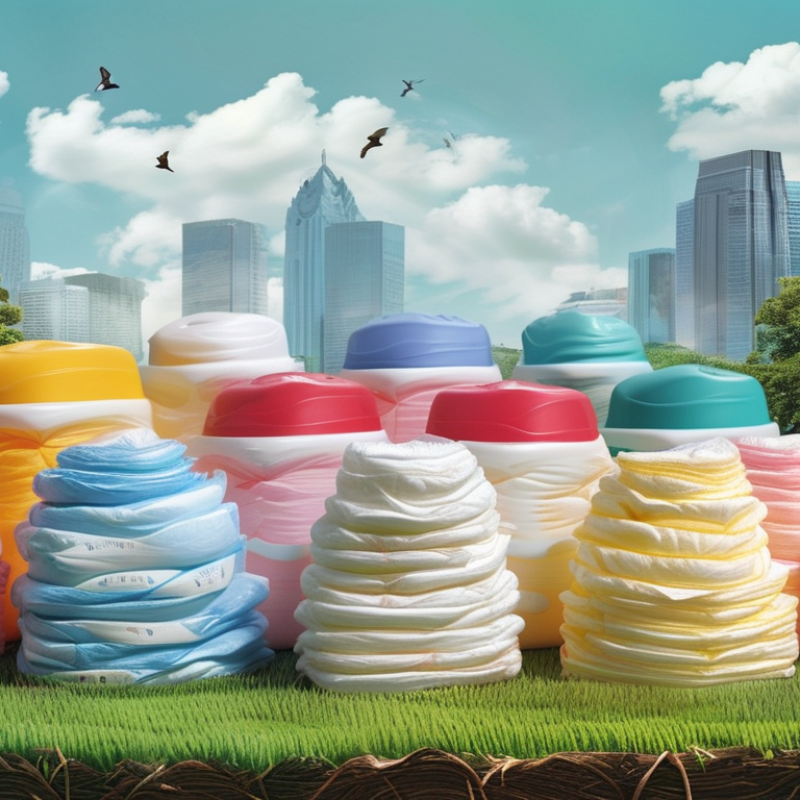
What is a Disposable Baby Diaper and Why Choose It?

What is a Disposable Baby Diaper?

Disposable baby diapers are an essential product for many parents. These diapers are designed for single-use and offer convenience. According to a report by Market Research Future, the global disposable diaper market is projected to reach $90 billion by 2026. This growth reflects the increasing demand for efficient diapering solutions that fit modern lifestyles.

A disposable diaper typically consists of layers of absorbent material and waterproof outer covering. The materials used can include fluff pulp, superabsorbent polymers, and non-woven fabrics. Research indicates that an average baby uses about 6,000 diapers before potty training. This highlights the significant role that disposable diapers play in a baby's early years, managing comfort and hygiene.

However, some parents have concerns about the environmental impact and skin sensitivity associated with these products. Disposable diapers contribute to landfill waste and take hundreds of years to decompose. Additionally, some children may experience diaper rash due to chemicals in the diapers. Balancing convenience with these concerns remains a challenge for many parents. It's critical to stay informed about product choices and potential alternatives that align with personal values.

The Materials Used in Disposable Baby Diapers

Disposable baby diapers are made from a variety of materials that enhance their absorbency and comfort. The core is typically made of superabsorbent polymer (SAP), which can hold several times its weight in liquid. This helps keep babies dry for extended periods, allowing for a more comfortable experience. Additionally, the outer layer is often crafted from breathable plastic or non-woven fabric, preventing leaks while allowing airflow to reduce diaper rash.

The absorbent materials in disposable diapers contribute to their effectiveness but raise questions. Some parents worry about the chemicals used in these products. It’s important to choose diapers that prioritize safety in their materials. Natural fibers, like cotton, are sometimes blended for softness against a baby’s skin. Still, the balance between practicality and potential allergenic reactions can be tricky.

Sustainability is another factor to consider. Most disposable diapers are not biodegradable and contribute to landfill waste. There are ongoing discussions regarding eco-friendly options. Parents are encouraged to reflect on the environmental impact while balancing convenience in their choices. Each option has trade-offs, making informed decisions vital.

Benefits of Using Disposable Baby Diapers

Disposable baby diapers have gained immense popularity among parents due to their convenience and effectiveness. One major benefit is the time they save. Busy parents appreciate the ease of simply throwing away a used diaper, rather than washing cloth ones. This can be a significant relief during hectic days.

Moreover, disposable diapers are designed to absorb moisture effectively. They keep babies dry and comfortable for longer periods. The materials used in modern disposables often feature a soft lining that is gentle on a baby's sensitive skin, reducing the risk of rashes. However, it's important to monitor for any potential allergic reactions to the materials.

Despite the clear advantages, some parents may wonder about environmental impact. Disposables do contribute to landfill waste, which can be a concern. This prompts many to reflect on their choices. Parents might consider a mix of both disposable and cloth diapers, depending on occasions. Striking a balance can allow families to enjoy the benefits of both options without feeling guilty.

Comparison with Cloth Diapers

When comparing disposable baby diapers to cloth diapers, several factors come into play. Disposable diapers are designed for convenience. They are easy to use and can be thrown away after a single use. According to the Consumer Product Safety Commission, about 95% of parents in the U.S. use disposable diapers, citing less laundry and reduced mess as significant benefits.

Cloth diapers, on the other hand, are often considered more environmentally friendly. A study by the Environmental Protection Agency shows that manufacturing and disposing of disposable diapers can generate up to 600 times more waste than cloth options over a diapering period. However, many parents may find cloth diapers impractical due to their washing requirements. This often leads to a struggle between convenience and sustainability.

Parents might also reflect on costs. Disposable diapers can accumulate quickly, costing families over $500 a year. In contrast, cloth diapers can seem more economical with a one-time purchase of around $300, yet require ongoing laundry expenses. While cloth options are reusable, some parents feel the extra work is overwhelming. Ultimately, the choice depends on individual needs and values.

Environmental Considerations of Disposable Diapers

When considering disposable baby diapers, environmental impact plays a significant role. Many parents are not aware of the ecological footprint associated with these products. Disposable diapers can take up to 500 years to decompose in landfills. This long lifespan contributes to growing waste issues.

Moreover, the production of disposable diapers requires significant resources. It involves the use of trees, petroleum, and water. These resources add to environmental strain. In addition, the manufacturing process generates pollutants. Parents may find it challenging to balance convenience with these environmental concerns.

Manufacturers are increasingly adopting greener practices. Some are exploring biodegradable materials. However, these options may not be widely available. Finding reliable information on new diaper technologies can be difficult. Parents often feel torn between the convenience of disposable diapers and their environmental responsibilities. This decision continues to evolve, and awareness is crucial.

Environmental Impact of Disposable Baby Diapers

FAQS

: What are disposable baby diapers?

: Disposable baby diapers are single-use products designed for convenience and hygiene.

What materials are used in disposable diapers?

They consist of absorbent materials, waterproof layers, and often superabsorbent polymers.

How many diapers does a baby typically use before potty training?

An average baby uses about 6,000 diapers before becoming potty trained.

What concerns might parents have regarding disposables?

Parents may worry about environmental impact and skin sensitivity due to chemicals.

Do disposable diapers contribute to landfill waste?

Yes, they take hundreds of years to decompose, raising sustainability concerns.

How can parents balance convenience and environmental concerns?

They might consider using a mix of disposable and cloth diapers based on situations.

What are some benefits of using disposable diapers?

They save time, effectively absorb moisture, and keep babies dry and comfortable.

Can disposable diapers cause allergic reactions?

Yes, some children may experience rashes or sensitivity due to materials used.

Are there eco-friendly options for disposable diapers?

Ongoing discussions exist regarding biodegradable and eco-friendly alternatives.

What factors should parents reflect on when choosing diapers?

Parents should consider safety, comfort, environmental impact, and personal values in their choices.

Conclusion

A Disposable Baby Diaper is a convenient and practical option for parents looking for effective solutions for diapering their infants. Made from a combination of super absorbent materials and soft outer layers, these diapers are designed for comfort and leak protection. The benefits of using Disposable Baby Diapers include their ease of use, superior absorbency, and the elimination of the need for washing, making them suitable for busy families.

When comparing Disposable Baby Diapers to cloth diapers, the former generally offers greater convenience and reduced laundry workload, while the latter may have environmental advantages if reused properly. However, environmental considerations surrounding Disposable Diapers, including their impact on landfill waste and potential alternatives, continue to be important topics for parents who wish to make informed choices. Overall, Disposable Baby Diapers provide a practical solution for maintaining hygiene and comfort for babies.


Sienna

Sienna

Sienna is a skilled marketing professional with a deep expertise in our company’s core products and services. With a passion for innovation and detail, she plays a pivotal role in crafting insightful blog posts that not only highlight the unique features of our offerings but also provide valuable......