10 Best Baby Organic Pants for Wholesale Buyers

Time:2026-09-20 Author:Aria
0%

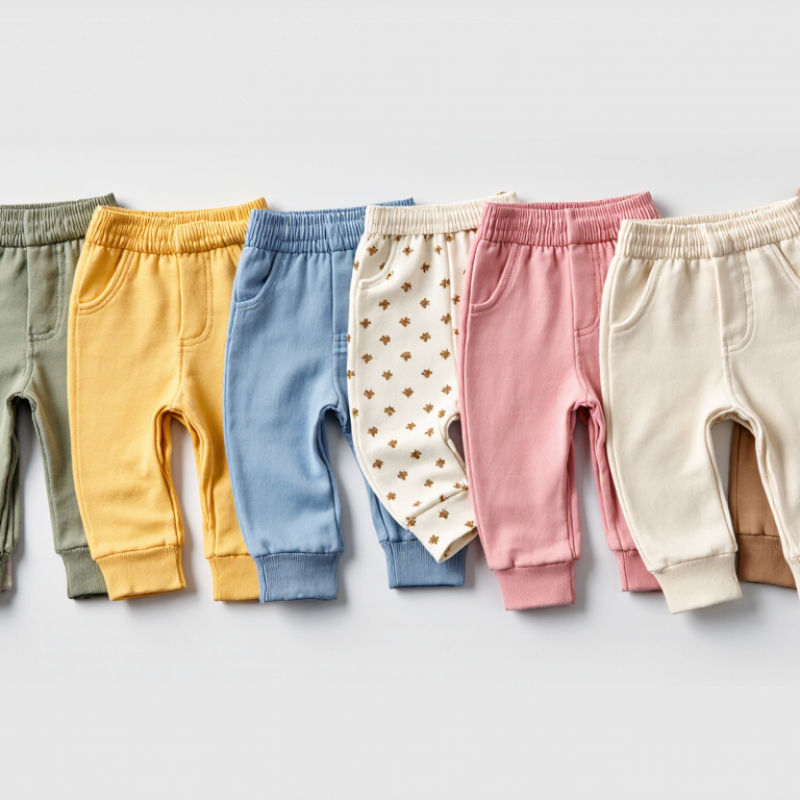
Choosing the right Baby Organic Pants can shape comfort, safety, and repeat sales for wholesale buyers. This guide examines ten practical options for growing retail collections. It focuses on fabric quality, construction, sizing, price balance, and supplier reliability.

Organic cotton often feels soft against sensitive skin. However, softness alone does not prove responsible production. Buyers should request current certifications, fiber details, test reports, and clear manufacturing information. Look closely at waistbands, seams, cuffs, and fastening systems. A poorly finished seam may irritate a baby after several hours. Stretch panels should recover well without feeling tight. Neutral colors may sell steadily, while gentle prints can attract gift shoppers.

We also consider wholesale realities. Minimum order quantities, sample policies, production timing, packaging, and reorder consistency matter. A low unit price can become expensive when sizing varies between batches. Ask suppliers how they manage quality checks and replacement issues. Keep written records.

The selections below reflect common buyer priorities, not one universal formula. Some retailers may value premium fabric more than fast turnover. Others may need flexible quantities and simple packaging. That difference matters. We have included strengths, limitations, and points worth verifying before purchase. No supplier is perfect, and product claims deserve careful review. Compare samples in person when possible. Check the stitching. Feel the fabric. Then choose Baby Organic Pants that support both infant comfort and dependable wholesale performance.

10 Best Baby Organic Pants for Wholesale Buyers

What Organic Baby Pants Are and Why Wholesale Buyers Choose Them

What Organic Baby Pants Are and Why Wholesale Buyers Choose Them

Organic baby pants are garments made with certified organic fibers, usually organic cotton, rather than cotton grown with conventional agricultural inputs. Certification matters. Under GOTS labeling rules, products labeled “organic” generally require at least 95% certified organic fibers. Products labeled “made with organic” require at least 70%. This distinction helps wholesale buyers check supplier claims instead of trusting soft fabric alone. Textile Exchange’s Organic Cotton Market Report 2024 recorded about 342,265 metric tonnes of organic cotton production in 2022/23. The figure shows a growing supply base, although availability still varies by region and season.

Wholesale buyers choose organic baby pants for practical reasons. Soft jersey fabric, covered waistbands, and flat seams can reduce irritation during crawling and repeated washing. Buyers also examine shrinkage, colorfastness, stitching, and carton consistency. A sample may feel perfect, yet production batches can differ. That is the uncomfortable part. Testing must continue after the first approval. The Global Organic Textile Standard’s public certification system also supports supply-chain verification, including processing and manufacturing stages. For buyers, this creates stronger documentation and clearer communication with retailers. Smaller sizes often need more precise cutting because a two-centimeter error can affect comfort. Organic does not automatically mean durable, affordable, or well designed. A reliable wholesale program balances certification, fit testing, wash performance, lead time, and realistic order quantities.

Key Materials, Certifications, and Safety Standards to Verify

10 Best Baby Organic Pants for Wholesale Buyers

For wholesale buyers, organic cotton is only the starting point. Textile Exchange reported about 227,000 metric tonnes of organic cotton production in 2022/23. Supply remains limited and traceability matters. Ask for a valid GOTS or OCS certificate, not a simple “organic” claim. GOTS covers fibre content, processing chemicals, wastewater, and social criteria. OCS mainly verifies organic material content. The certificate must match the factory, product scope, and current transaction documents.

Safety needs closer inspection. OEKO-TEX Standard 100 testing checks finished garments for harmful substances, including dyes, formaldehyde, heavy metals, and certain plasticisers. Request the certificate number and verify it in the official database. For baby pants, inspect waistbands, drawcords, snaps, labels, and seam edges. Loose threads can wrap around small fingers. Rough elastic can mark delicate skin. A soft fabric can still contain unsafe finishing residues.

Tips: Order samples from different production lots. Wash them three times. Check shrinkage, colour transfer, pilling, and elastic recovery. Request laboratory reports for azo dyes, lead, phthalates, and formaldehyde. Confirm testing follows the destination market’s requirements. I would also compare the fibre percentage across labels, invoices, and certificates. Paperwork sometimes looks perfect. The product may not.

10 Best Baby Organic Pants for Wholesale Buyers

Key material, certification, and safety thresholds to verify before placing a bulk order.

Material verification

Request transaction certificates, fiber-content records, and supply-chain documentation. Check that the organic percentage matches the certification claim shown on the product specification.

Chemical safety

For the U.S. market, verify applicable CPSIA testing, including a lead limit of 100 ppm in accessible substrate materials and a 0.1% limit for regulated phthalates in applicable plasticized components.

Construction checks

Confirm secure seams, covered elastic, no detachable small parts, colorfastness, accurate care labels, and compliance with the destination market’s flammability and textile-safety rules.

The chart shows the minimum organic-fiber threshold associated with common certification claims. OCS Blended allows 5% to below 95% certified organic material; the chart uses its 5% lower limit. GOTS “Made with Organic” requires at least 70%, while GOTS “Organic” and OCS 100 require at least 95%.

Essential Features: Comfort, Fit, Durability, and Everyday Function

For wholesale buyers, the best baby organic pants must perform beyond a soft product description. Organic cotton can feel gentle, but comfort also depends on breathable knitting, smooth seams, and a flexible waistband. I check the inside of each sample carefully. Rough labels and bulky stitching can irritate a baby’s skin.

Fit should support movement without slipping during crawling, naps, or diaper changes. A slightly curved waistband, roomy seat, and ankle cuffs often improve everyday wear. However, sizing can vary between suppliers. Measure the garment, not just the printed size. Compare waist width, rise, inseam, and cuff opening across several samples. A perfect first sample is not enough.

Durability matters when buyers manage repeated orders and customer returns. I recommend testing shrinkage, colorfastness, seam strength, and waistband recovery after several washes. Pockets should lie flat, and drawstrings need secure construction or careful removal for infant safety. Organic claims should be supported by current certification documents and traceable production records. Do not rely on a hangtag alone.

Function often separates attractive pants from useful pants. Snap-free designs can speed diaper changes, while reinforced knees may help active babies. Still, extra details can add bulk or cost. I sometimes favor simpler construction after reviewing wear-test feedback. That decision is not always obvious. Small adjustments can improve comfort, reduce waste, and make wholesale quality more consistent.

How to Evaluate the Ten Best Organic Baby Pants for Wholesale

10 Best Baby Organic Pants for Wholesale Buyers

How to Evaluate the Ten Best Organic Baby Pants for Wholesale

Evaluating organic baby pants requires more than checking a soft fabric label. Request current organic certification, fiber percentages, and factory test reports from each supplier. Confirm that the fabric remains organic after dyeing and finishing. A credible supplier should explain these details clearly, without vague promises.

Order samples before discussing large quantities. I inspect the waistband, ankle openings, stitching, and care labels first. The elastic should hold gently, not leave deep marks on a baby’s skin. Seams need to stay flat after washing. Measure each sample before and after laundering. A two-centimeter shrinkage may affect your size chart and return rate. Organic cotton can feel excellent, yet poor construction still creates uncomfortable pants.

Wholesale buyers should compare fabric weight, color consistency, minimum order quantities, lead times, and replacement policies. Ask for production samples from different batches. Small differences can become obvious across hundreds of pieces. I have seen attractive samples fail because the second shipment used thinner fabric. That mistake is easy to overlook. Check packaging, carton strength, and moisture protection during transit. Review workplace and chemical safety documentation, too. Price matters, but stable quality usually protects your margin better than the lowest quotation. A practical scoring sheet can rank softness, durability, compliance evidence, sizing accuracy, and supplier communication across all ten options.

Wholesale Considerations: Pricing, Customization, Minimum Orders, and Supply Stability

10 Best Baby Organic Pants for Wholesale Buyers

When evaluating the ten best baby organic pants, wholesale pricing needs more than a low unit cost. Ask for a complete quotation covering fabric, trims, packaging, inspection, and shipping preparation. Organic cotton should have recognized certification documents, not only a supplier’s verbal promise. A soft waistband, flat seams, and nickel-free snaps can reduce returns and improve daily comfort. Request samples in several sizes. Tiny fit differences matter.

Customization can include colors, woven labels, hangtags, waistband height, and carton markings. Keep the first order focused. Too many changes can increase sampling fees and delay approval. Minimum order quantities should match your sales forecast, not your ambition. A 500-piece order may be safer than 5,000 pieces for a new collection. However, smaller quantities may carry higher prices. That trade-off deserves a written calculation.

Supply stability depends on more than factory capacity. Review production records, fabric availability, backup suppliers, and quality-control procedures. Ask how quickly the supplier replaces defective pieces. Request a realistic lead-time range, including peak-season delays. My first cost sheet often misses storage and inspection expenses. That mistake is easy to repeat. Keep purchase terms, tolerance levels, and delivery dates in writing. A supplier that communicates early is usually more reliable than one offering the lowest quote. Still, reliability should be checked through samples and previous shipment evidence, not confident promises.

10 Best Baby Organic Pants for Wholesale Buyers - Wholesale Considerations: Pricing, Customization, Minimum Orders, and Supply Stability

Rank Product Type Organic Material & Construction Typical Size Range Estimated Wholesale Price
(USD / piece)
Customization Options Typical MOQ Standard Lead Time Supply Stability Wholesale Buying Considerations
1 Organic Cotton Leggings 95% organic cotton / 5% elastane jersey; soft elastic waistband; flat seams 0–24 months $3.20–$5.80 Color, label, waistband, printed pattern, packaging 100–300 pieces / color 30–50 days High A versatile core item with year-round demand. Confirm stretch recovery and colorfastness before bulk production.
2 Organic Cotton Harem Pants 100% organic cotton interlock or lightweight jersey; relaxed seat; ankle cuffs 0–36 months $3.80–$6.50 Fabric weight, cuffs, drawcord-free waistband, embroidery, hangtags 100–300 pieces / color 35–55 days High Roomy construction supports diaper wear and movement. Avoid functional drawstrings for infant safety compliance.
3 Organic Cotton Footed Pants Organic cotton rib or interlock; integrated foot covers; elastic waist 0–18 months $4.50–$7.50 Foot shape, grip print, color, label, gift packaging 150–400 pieces / style 40–60 days Medium–High Higher sewing complexity increases cost. Request dimensional testing because foot length affects fit and returns.
4 Organic Cotton Jogger Pants Organic cotton fleece or French terry; cuffed ankles; soft covered elastic 6–36 months $5.20–$8.50 Fabric weight, pocket design, applique, embroidery, private label 150–500 pieces / style 40–65 days High Suitable for cooler seasons and higher average order value. Heavier fabric can raise freight and drying costs.
5 Organic Cotton Ribbed Pants 95% organic cotton / 5% elastane rib knit; flexible waist; close-to-body fit 0–24 months $3.60–$6.20 Rib width, dyed colors, contrast stitching, woven label, packaging 100–300 pieces / color 35–55 days High Rib construction offers good stretch, but production lots should be checked for spiraling, shrinkage, and uneven dyeing.
6 Organic Cotton Pull-On Trousers Organic cotton woven poplin or twill; fully elasticated waist; relaxed leg 6–36 months $5.00–$8.20 Pocket shape, garment wash, buttons, labels, color palette 200–500 pieces / style 45–70 days Medium–High Woven fabrics create a more structured appearance. Check seam comfort and shrinkage after washing.
7 Organic Cotton Thermal Pants Organic cotton waffle or thermal knit; brushed or textured inner surface; elastic waist 3–36 months $4.80–$7.80 Knit texture, weight, color, knee reinforcement, packaging 200–500 pieces / style 45–70 days Medium Seasonal demand can affect capacity and fabric availability. Plan orders several months before cold-weather retail periods.
8 Organic Cotton Bloomers Lightweight organic cotton muslin or poplin; gathered leg openings; elastic waist 0–24 months $3.00–$5.40 Ruffle detail, embroidery, prints, garment dye, label and pack design 100–300 pieces / color 30–50 days High Low material consumption supports competitive pricing. Confirm leg opening elasticity and color consistency across small batches.
9 Organic Cotton Diaper Cover Pants Organic cotton jersey or interlock; extra seat room; soft leg and waist elastic 0–24 months $4.20–$7.20 Seat dimensions, absorbent insert compatibility, trim, labels, packaging 150–400 pieces / style 40–65 days Medium–High A specialized fit may reduce returns when tested properly. Request wash-cycle measurements and compatibility samples.
10 Organic Cotton Lounge Pants Organic cotton single jersey or modal-organic cotton blend; covered elastic waistband 0–36 months $3.50–$6.40 Fabric blend, print, color, size grading, labels, retail packaging 100–300 pieces / color 30–55 days High Comfort-focused basics have broad retail appeal. Confirm fiber percentages and labeling requirements when using blended fabrics.
Data basis: The prices, MOQs, and lead times are practical wholesale benchmark ranges for organic baby apparel and vary by order volume, fabric weight, certification scope, production location, shipping terms, and customization level. Buyers should verify current quotations, organic-fiber documentation, colorfastness, shrinkage, chemical compliance, and applicable infant-garment safety requirements before placing production orders.

FAQS

How can wholesale buyers verify that baby pants are genuinely organic?

Request current organic certification, fiber percentages, and factory test reports. Ask whether the fabric remains compliant after dyeing and finishing. Vague promises are not enough.

What should buyers inspect on a sample pair?

Check the waistband, ankle openings, stitching, and care labels. The elastic should feel gentle. Flat seams should remain comfortable after washing. Poor construction can ruin excellent fabric.

Why should buyers measure samples before and after laundering?

Measure the waist, length, and leg openings before washing. Measure them again afterward. Two centimeters of shrinkage can affect your size chart. I sometimes overlook this risk.

Which wholesale costs should appear in a complete quotation?

Request fabric, trims, packaging, inspection, and shipping preparation costs. A low unit price may hide storage or inspection expenses. Calculate the full landed cost.

How should buyers choose a suitable minimum order quantity?

Match the quantity to your sales forecast and testing experience. A 500-piece order may reduce risk. A 5,000-piece order can trap cash. Smaller orders may cost more per piece.

What customization options are practical for an initial order?

Consider colors, labels, hangtags, waistband height, and carton markings. Keep the first order focused. Too many changes can increase sampling fees and delay approval.

How can buyers evaluate supply stability?

Review fabric availability, production records, backup suppliers, and quality-control procedures. Request a realistic lead-time range, including peak-season delays. Previous shipment evidence matters more than confidence.

What packaging details should wholesale buyers check?

Inspect carton strength and moisture protection during transit. Ask how defective pieces are replaced. Write delivery dates, tolerance levels, and purchase terms clearly. I have missed these details before.

Conclusion

This guide explores how Baby Organic Pants are made for comfort, safety, and responsible wholesale sourcing. It explains the value of organic fibers, including softness, breathability, and reduced exposure to unwanted chemicals, while highlighting the importance of checking certifications, material composition, dye safety, stitching quality, and age-appropriate design. Buyers will also learn how to assess practical features such as gentle waistbands, flexible fits, durable seams, easy washing, and reliable sizing for everyday use.

The article provides a clear framework for comparing the ten best Baby Organic Pants based on comfort, fit, durability, functionality, and overall product consistency. It also examines essential wholesale factors, including unit pricing, minimum order quantities, customization options, packaging, production capacity, quality control, lead times, and supply stability. By reviewing these points together, buyers can select dependable products that meet customer expectations while supporting efficient inventory planning and long-term business growth.

Aria

Aria

Aria is a dedicated marketing professional with a deep passion for innovative strategies and a keen understanding of our company's product offerings. With a wealth of experience in the industry, Aria excels at crafting engaging content that highlights the unique features and benefits of our......